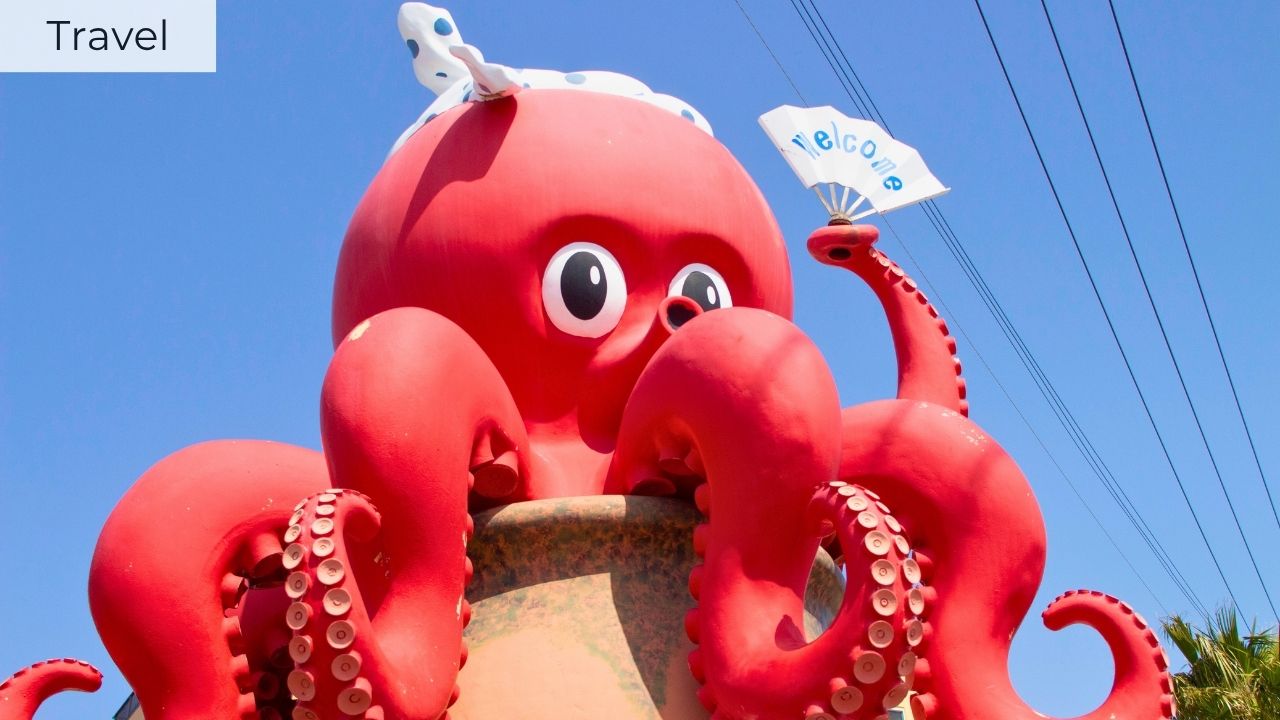
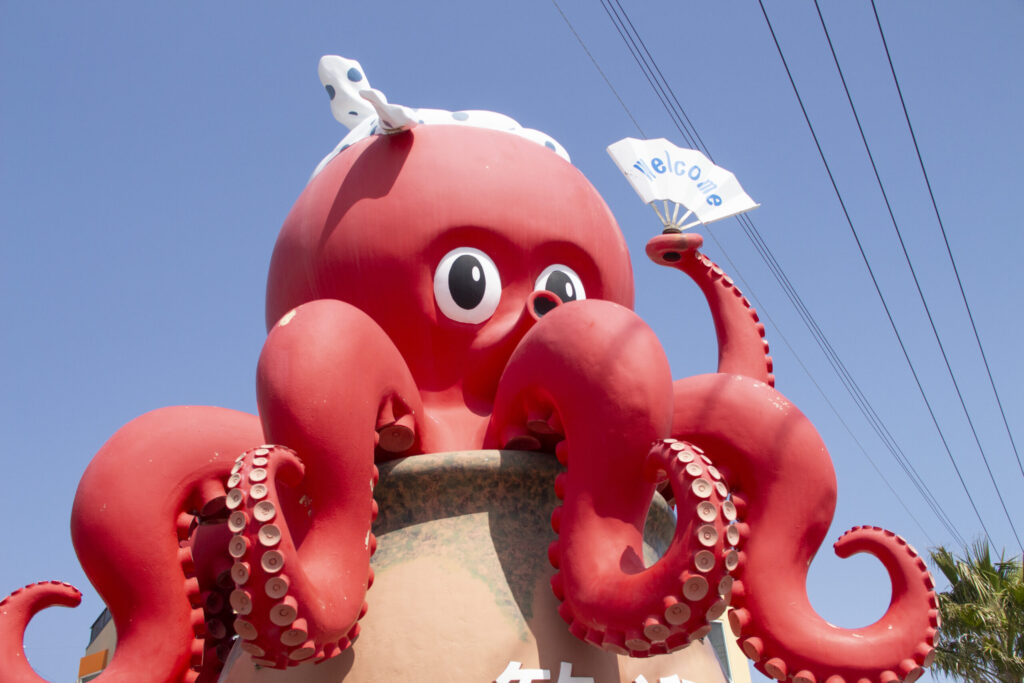
Have you ever heard of Himakajima? It’s a small, rustic but charming island just under two hours away from Nagoya.
The island is packed with delicious food, including its famous octopus, as well as beaches in the summer and plenty of lovely little spots where you will definitely want to snap photos. At the same time, it is still a real working fishing island — octopus pots by the harbour, family-run inns, and a pace of life that feels wonderfully slow.
I think this tiny island — small enough to walk around in a couple of hours, with just one traffic light — offers an authentic Japanese experience that you could never find in Tokyo or Osaka. When you visit Nagoya, why not take a short side trip and check it out?
About Himakajima
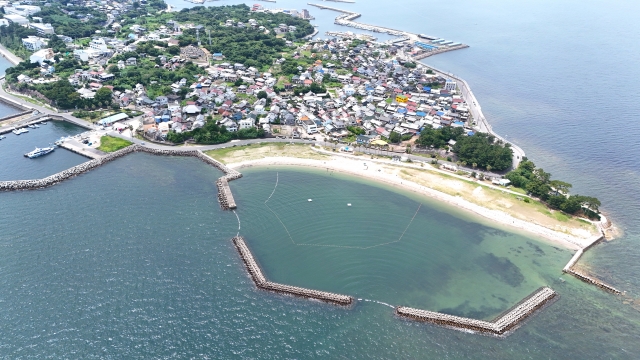
Himakajima (日間賀島) is one of the three islands of Mikawa Bay off the Chita Peninsula (with Shinojima and Sakushima), and the closest island to Nagoya. It’s a small and flat island – about 5.5 km around and only ~30 m at its highest point – so you can walk the whole island in a couple of hours, or circle it easily by rental bike. Thanks to its mild climate, there is different seafood in season throughout the year.
The entire island of Himakajima is designated as part of Mikawa Bay Quasi-National Park. Himakajima is known as a “Satoumi (里海).” Satoumi is a traditional Japanese concept referring to a coastal area where human lives and marine ecosystems coexist in harmony. Through sustainable fishing and careful management, the people of Himakajima have protected the ocean’s bounty for generations.
On roughly 0.8 km2 the island has about 1,570 residents (as of May 2026).
History & Legend
Himakajima offers a glimpse into a long maritime history, with around 35 burial mounds from the Kofun period still scattered across the island. Fishhooks, swords and Sue pottery found here show people were living and fishing on Himakajima. Historical records from the Nara period (the 8th century) show that dried shark meat and other seafood was once sent from here to the capital, and in the Edo period the island prospered as an important fishing base under the Owari domain.
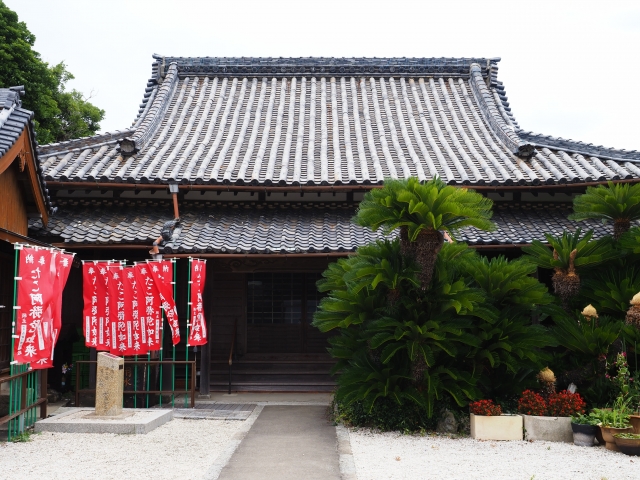
Well, there is a really cute legend about octopus:) Local lore tells that about 600 years ago an earthquake sank a temple into the sea; its Amida Buddha statue was brought up in a fisherman’s net, said to have been protected by a giant octopus. It is enshrined as the ‘Octopus Amida’ at Anrakuji temple (安楽寺). When you visit Himakajima, please make sure to stop by Anrakuji temple.
Although the Himakajima Museum (日間賀島資料館) used to showcase the island’s traditional fishing gear—ranging from ancient shark fishing tools to modern octopus pots—it seems to be now permanently closed. The official tourism website doesn’t seem to mention this yet, so please double-check or keep that in mind when planning your trip.
Happy & Lucky Island
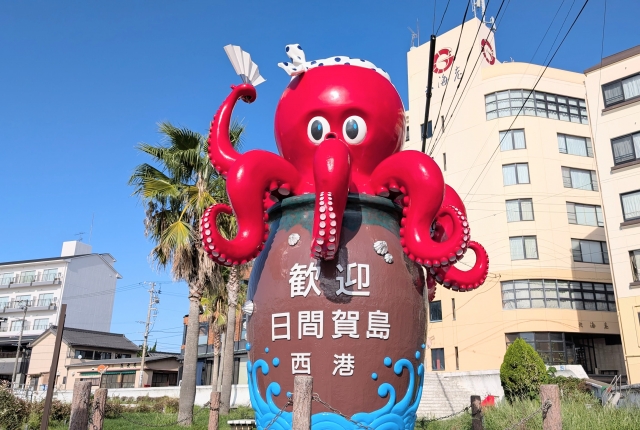
Himakajima is well-known for its tako (octopus) and fugu (pufferfish). With a local word play, it’s also known as the island of takou/多幸 (much happiness) and fuku/福 (good fortune).
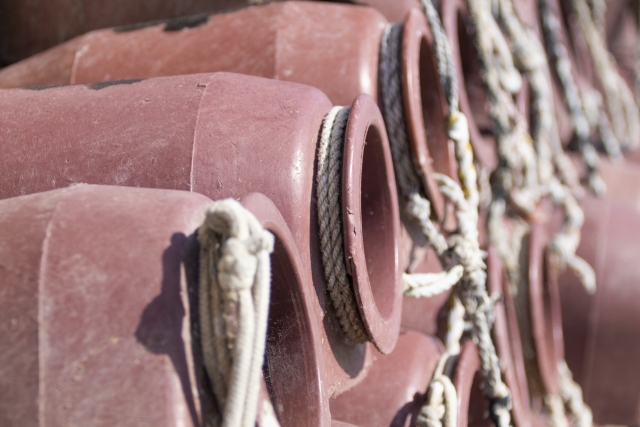
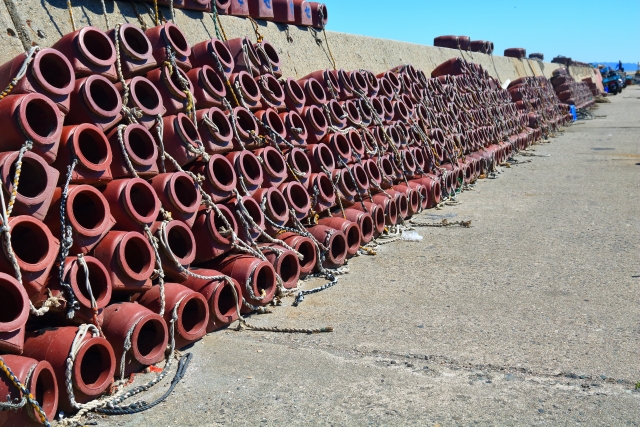
The water around Himakajima is shallow (only about 2-3 m) and full of clams and crabs, which octopus feed on. The traditional method is ‘takotsubo’ – clay pots left on the seabed that octopus crawl into seeking shelter.
Also, it’s an excellent habitat for torafugu (tiger pufferfish), and Himakajima has over 100 years of fugu fishing. Himakajima’s pufferfish fishing is known for catching fish one by one, which helps keep the quality high.
Both octopus and pufferfish might be a bit unusual or new to you, but trying them could be a fun food adventure and a good way to experience Japan’s unique food culture — maybe you could add them to your food bucket list;)
Access from Nagoya & Centrair Airport
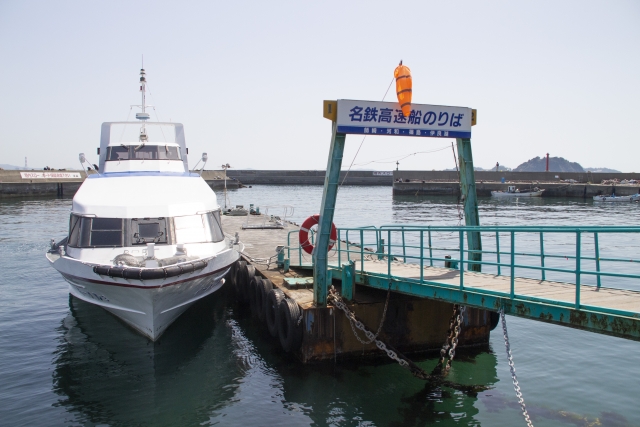
From Nagoya Station (via Kowa Port)
Nagoya Station → Kowa Station (Meitetsu train) + Kowa Port → Himakajima (high-speed boat)
Leg 1: Meitetsu Nagoya Station (名鉄名古屋駅) → Kowa Station (河和駅) (approx. 50 min with limited express)
Leg 2: Walk from Kowa Station to Kowa Port (approx. 7-10 min)
Leg 3: Kowa Port → Himakajima (approx. 20 min)
Time: Approx. 1.5–2h total, including waiting time
Cost: ¥1,050 (train, ordinary car) + ¥1,600 (speed boat) = ¥2,650
From Chubu Centrair Airport (via Kowa Port)
Chubu Centrair Airport Station (Meitetsu train) → Otagawa Station → Kowa Station + Kowa Port → Himakajima (high-speed boat)
Leg 1: Chubu Centrair Airport Station → Otagawa Station (太田川駅) (approx. 20 min with limited express)
Leg 2: Transfer to the Meitetsu Kowa Line for Kowa Station (approx. 30 min)
Leg 3: Walk from Kowa Station to Kowa Port (approx. 7-10 min)
Leg 4: Kowa Port → Himakajima (approx. 20 min)
Time: Approx. 1h 45m–2h total, including waiting time
Cost: ¥1,200 (train, ordinary car) + ¥1,600 (speed boat) = ¥2,800
If you are flying into Nagoya, it might be a great option to visit at the very start or the end of your trip.
Speed Boat (Kowa Port/河和港 ↔ Himakajima/日間賀島)
•Operated by Meitetsu Kaijo Kanko-sen (名鉄海上観光船)
•Time: about 20-25 min
•Fare: adult 1,600 yen one way / 3,070 yen round trip; child 800 yen / 1,540 yen
•Please always check the latest timetable before you go — schedules vary by season.
The official website is in Japanese only, but the timetable and fare pages are easy to follow even without Japanese (and your browser’s auto-translate should work fine on it). You can also find directions from Kowa Station to Kowa Port on the site.
Things to See, Do, and Eat
Let’s explore the island on foot or by rental bicycle! Even at a leisurely pace, you can go all the way around the island in about two hours. I actually rented a bicycle myself when I visited:) Don’t forget to pick up the island’s ‘burari’ walking map at the port!
Two beaches:
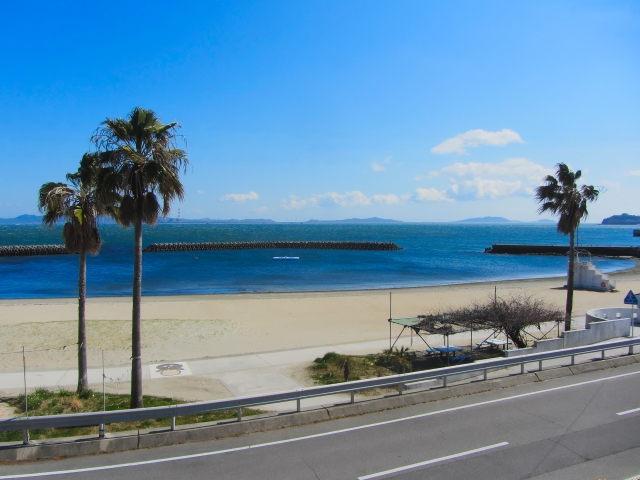
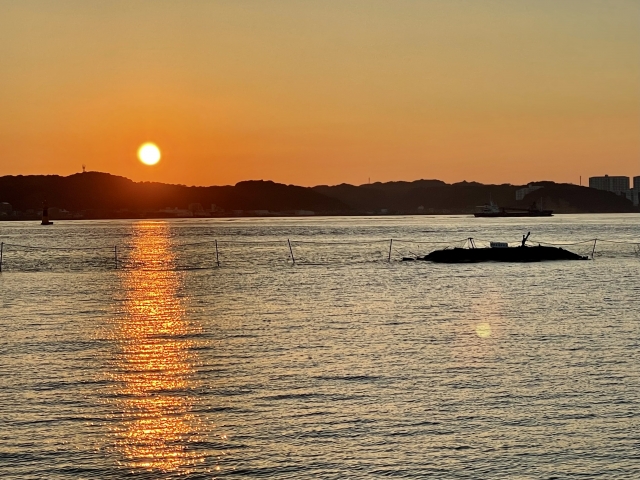
Sunrise Beach on the east side (calm, family swimming, summer kids’ activities) and Sunset Beach on the west, named for its beautiful evening views.
Playful octopus landmarks:
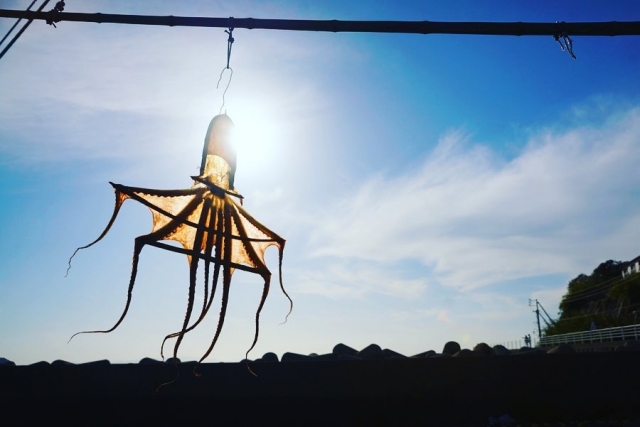
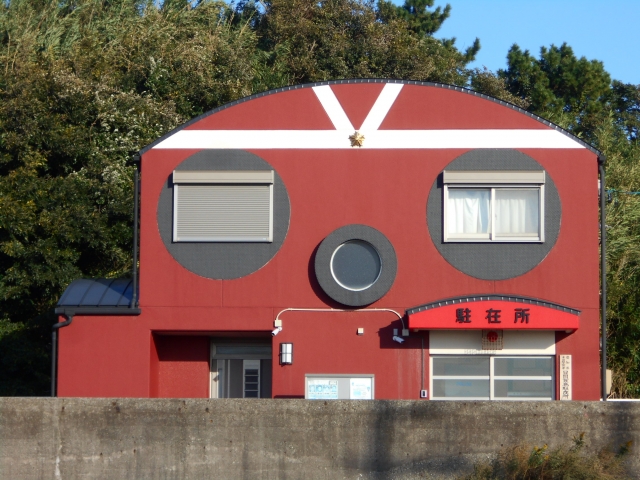
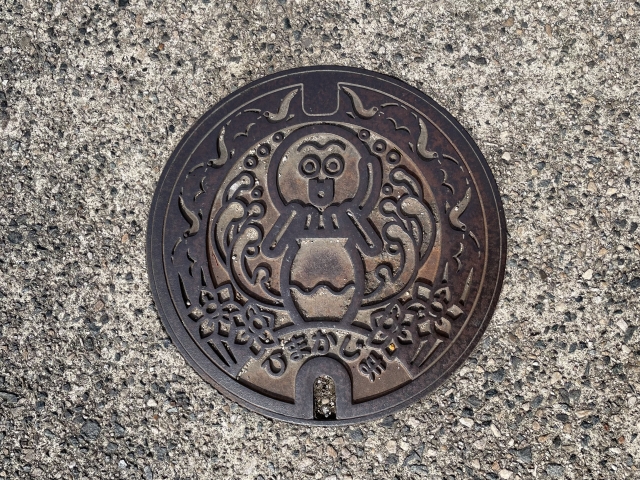
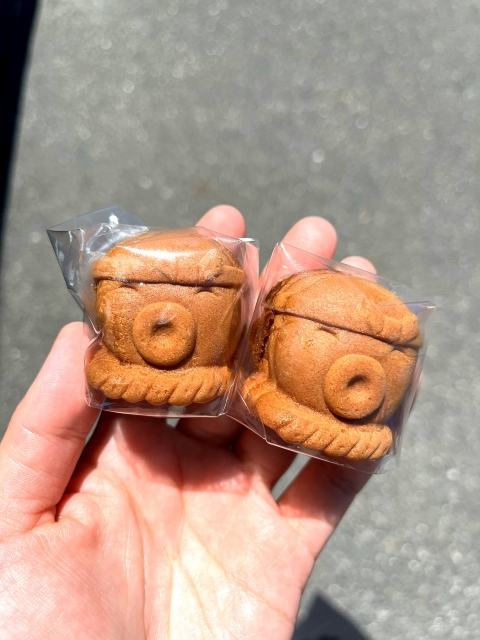
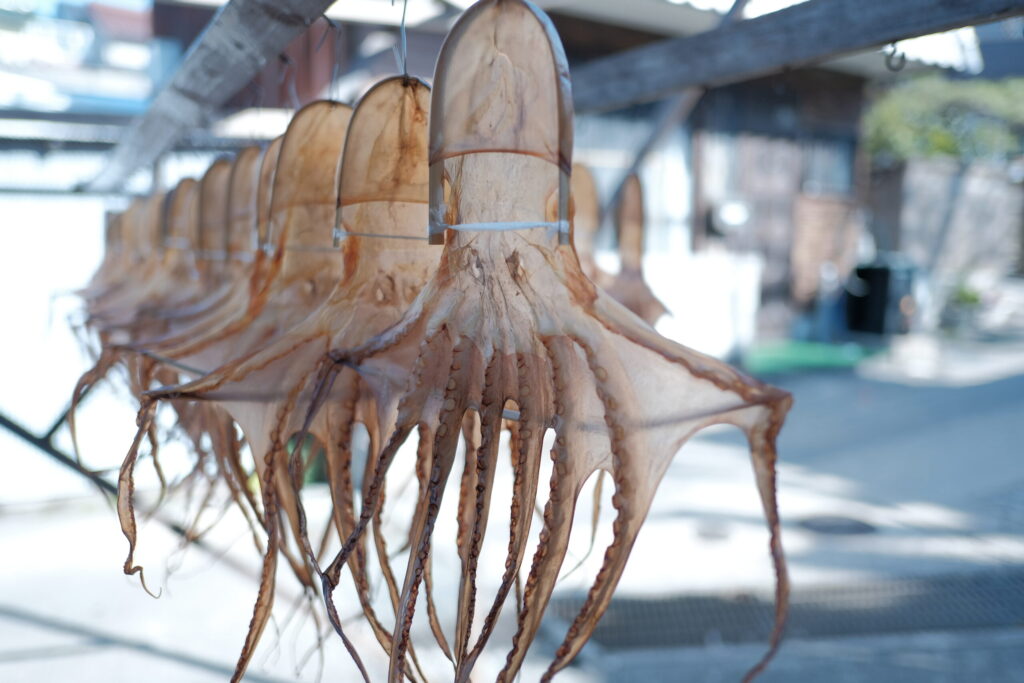
The octopus monuments ‘Gasshii’ (East Port) and ‘Nisshii’ (West Port), an octopus-shaped police box (koban), octopus (& pufferfish) manhole covers, octopus pots (takotsubo) around the harbour, and rows of drying octopus in October.
Viewpoints & photo spots:
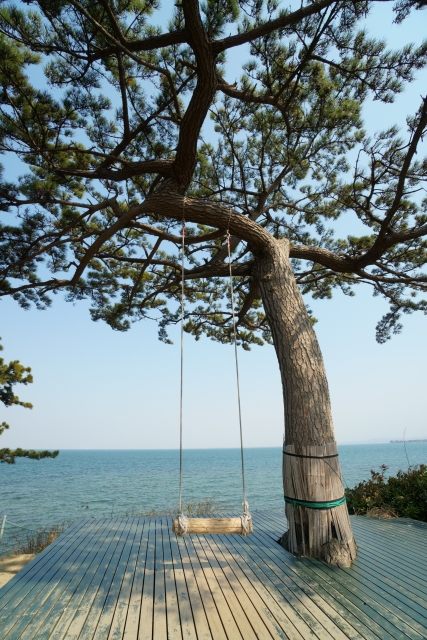
Hilltop views over neighbouring Shinojima island, the island’s single traffic light, and the ‘Lovers’ Swing’ by Sunrise Beach looking out to sea.
And, not to forget Anrakuji temple with its ‘Octopus Amida’ Buddha;)
Octopus, Fugu & More:
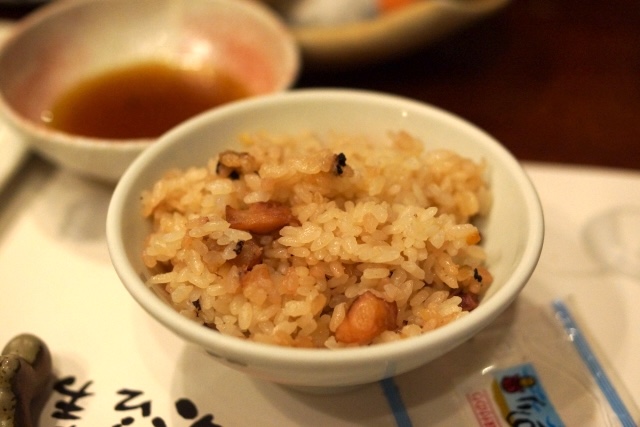
Octopus is the year-round star: boiled whole octopus (yudedako), octopus rice (tako-meshi), grilled and sashimi styles. Many visitors come specifically for a fresh ‘tako’ feast.
Fugu (pufferfish) is the winter treat: the season runs roughly October to March, served as sashimi (tessa), hot pot (tetchiri), grilled and fried – often as a great-value course compared with big cities.
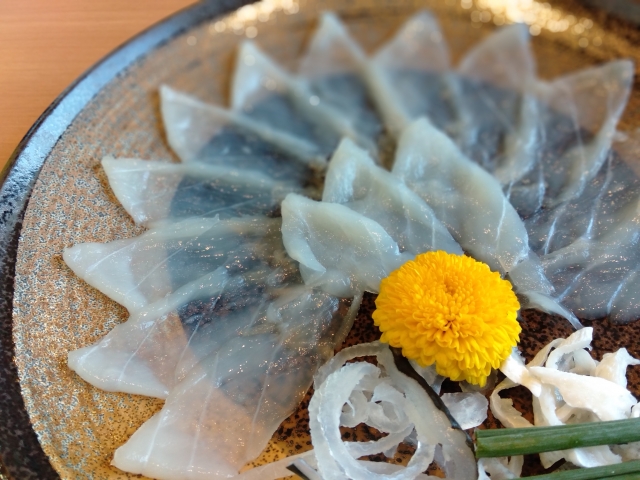
Depending on season, you can also enjoy shirasu (whitebait), geoduck clam, sazae (turban shell), oysters and other fresh catch.
Day Trip and Overnight
I have been to Himakajima both on day trips and for an overnight stay. The charm of a day trip is the spontaneity—you can just go whenever you feel like it. Plus, I assure you that you can fully enjoy Himakajima even in a single day. When I stayed overnight, I chose a rustic Minshuku (family-run inn). Eating a fresh seafood dinner and just lazing around on the beach at sunset—without caring about the time or doing anything at all—was absolutely wonderful.
Day Trip (about half a day+)
Take a morning boat, have a seafood lunch at a local restaurant, walk or cycle the island, hit the beaches or photo spots, and return by evening. It’s a perfect one-day getaway for travelers short on time.
Overnight (1 night)
If your schedule allows, an overnight stay is also a good option. Stay overnight at a rustic Minshuku, hotel or ryokan for a fresh tako/fugu dinner, enjoy the quiet evening and sunrise/sunset at beaches, and take your time the next day.
If you want to stay overnight, a few of the island’s inns can be booked on Booking.com: Takumi Kanko Hotel, Himakajima Isuzukan, Hotel Seikaisou and Hotel Himakasou. The staff may speak only Japanese, but booking through the site means you won’t need to call the inn in Japanese. Once you’re on the island, a translation app on your smartphone should help you get by;)
Summer suits beaches and swimming; October-March for a fugu food trip; while octopus can be enjoyed all year round, it is especially delicious during the spring and summer from April to September.
Practical Tips
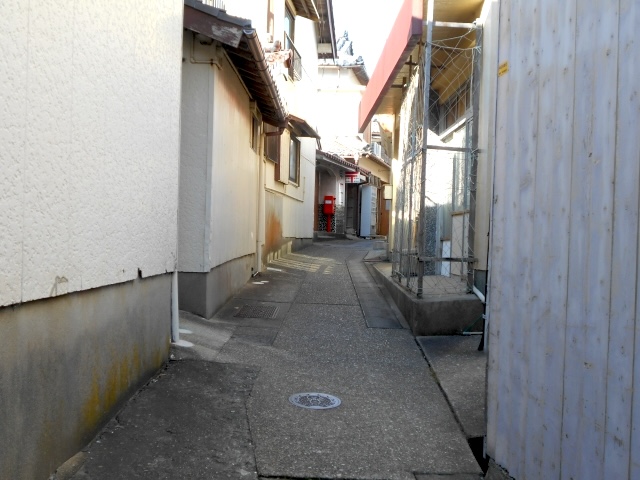
- Many shops and minshuku on the island still do not accept credit cards or e-money, so please make sure to bring enough cash. Unlike convenience-store ATMs on the mainland, the ATMs on the island are closed on weekends (and might not support international cards). I recommend withdrawing enough cash before boarding the speed boat.
- Himakajima has two speed boat harbours: West Port (西港) and East Port (東港). Please note that some boats only stop at one of the ports. Be especially careful on your way back so you don’t miss the last boat! Check the official website for timetable and port information.
- If you want to try fugu on Himakajima, reservations are generally required (you might get lucky at some casual restaurants offering à la carte fugu without booking). I highly recommend reserving in advance if fugu is your main goal. If you are staying overnight, the best option is to contact your hotel beforehand to ask about it.
If you enjoy tiny-island trips like this, Takeshima in Gamagori — another small island in Mikawa Bay, connected by a footbridge — makes a lovely half-day trip too.
And if you are still sketching out your Nagoya plans, my 2-3 day Nagoya itinerary shows how a day trip like this fits in.
If you’re feeling a bit exhausted from a packed travel schedule, why not come for a relaxing stroll on this rustic island? Please take a deep breath on Himakajima, where laid-back island time flows slowly:)
📍 How to get there: About 1.5–2 hours from Nagoya — Meitetsu limited express from Meitetsu Nagoya Station to Kowa Station (about 50 min, ¥1,050), a 7–10 minute walk to Kowa Port, then a 20-minute high-speed boat (¥1,600 one way / ¥3,070 round trip).
⏱ Time needed: Half a day to a full day is plenty — a seafood lunch, a loop around the island on foot or by bike, and a beach stop all fit in one day. Add an overnight stay if you want a fresh seafood dinner and a slow, quiet evening on the island.
💰 Budget: ¥5,170 per person round trip from Nagoya — train and boat combined. Add whatever seafood feast you go for.
🗓 Best time to visit: Summer, if I had to pick — I love beaches, and both of my trips were in summer. Come around October if you want to see the rows of drying octopus, or October to March for fugu. Honestly, though, there is something to enjoy all year round.
🎟 Book ahead: If fugu is your main goal, reserve in advance — most restaurants and inns require it. And check the boat timetable before you go — you do not want to miss the last boat back.
Comments