You know those times when you’ve checked out of your hotel but still have a little time before your Shinkansen, and you’re wondering what to do — or you’re looking for a good rainy-day idea? That is when I’d recommend Shikemichi and Endoji Shopping Street.
A 10 to 15-minute walk from Nagoya Station takes you to an Edo-period townscape, and nearby is a retro shopping arcade. Here you’ll find a golden shachihoko, signboards and shops that still carry a Showa-era feel, one-of-a-kind shops, and stylish new places all in one spot. I took a stroll around this area, so let me share the highlights with some photos.
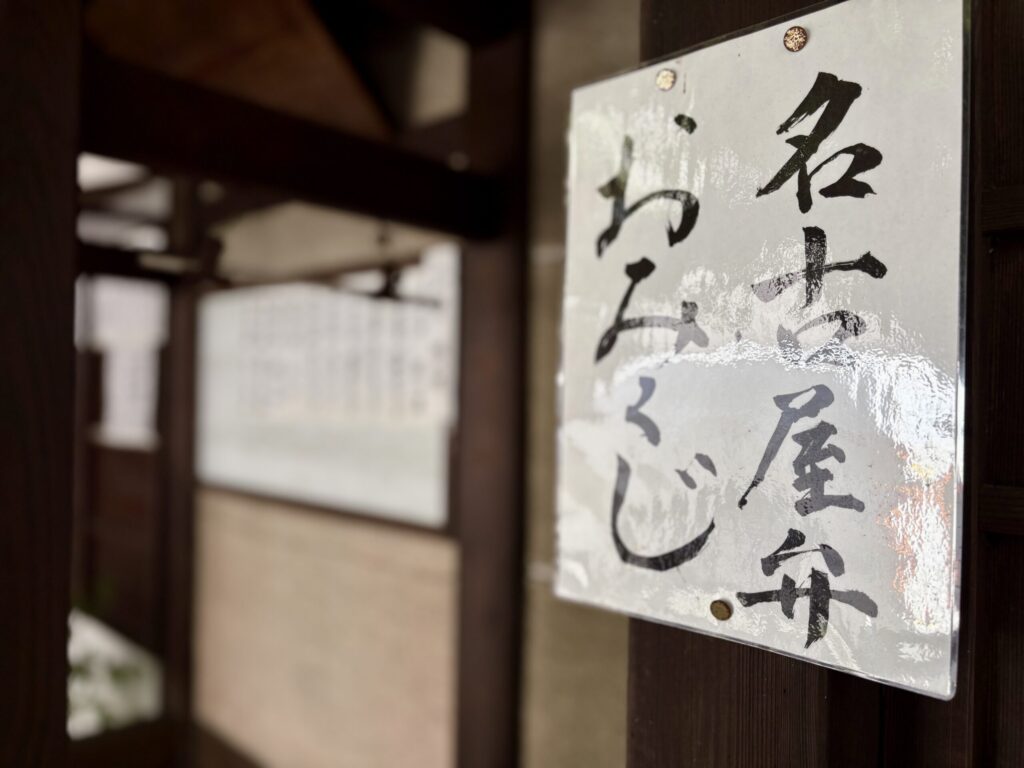
As a bonus, you can draw an omikuji written in Nagoya dialect here;) How could you miss that?
Shikemichi (四間道)
I took a nice, leisurely stroll through the Shikemichi (四間道) and Endoji Shopping Street (円頓寺商店街). I started from Kokusai Center Station (国際センター駅) on the Sakura-dori Line (桜通線).
If you walk about 5 minutes north from Exit 2 of Kokusai Center Station, you will arrive at Shikemichi.
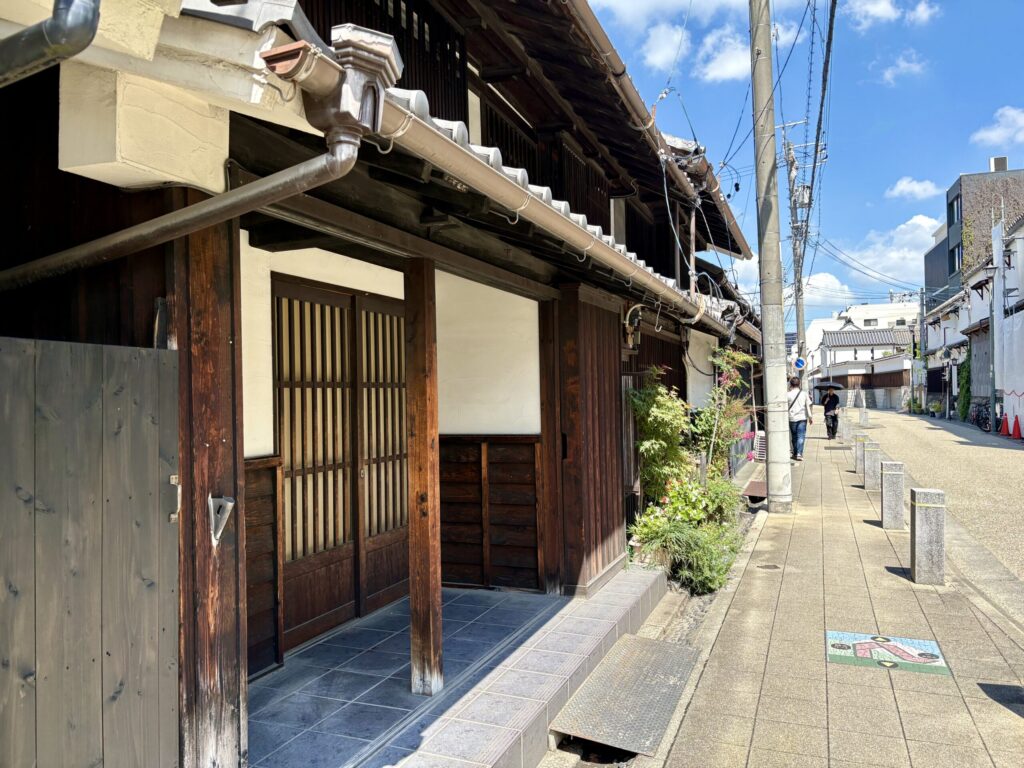
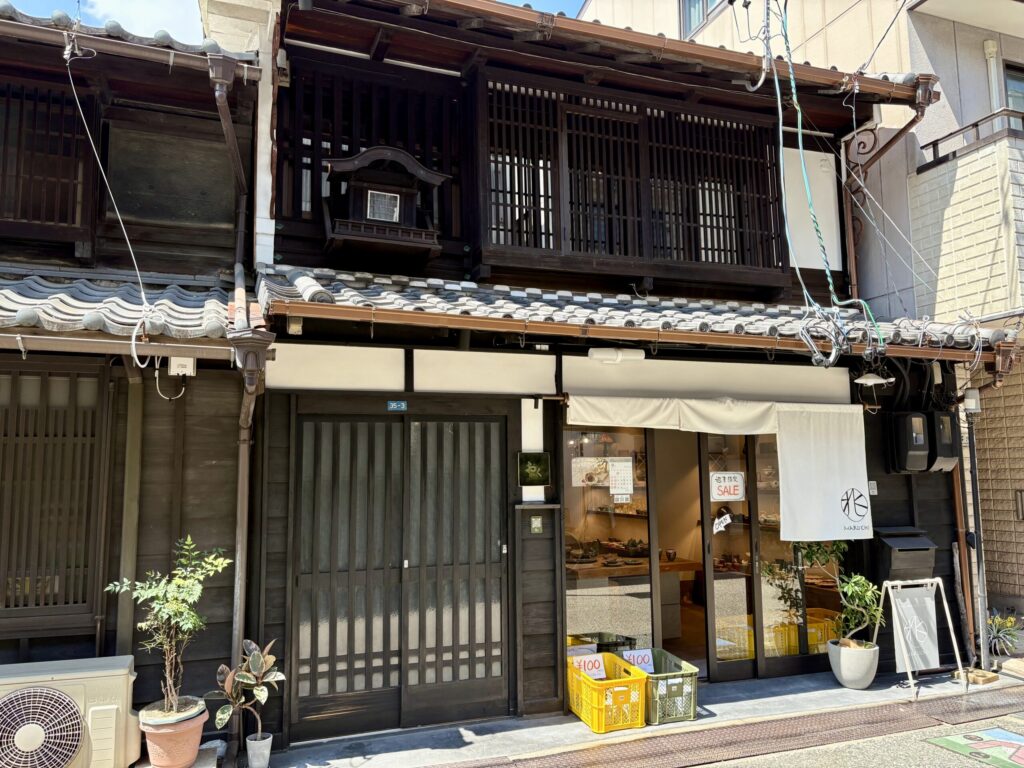
Shikemichi is a historic district in Nagoya that developed as a merchants’ district during the Edo period. It is known for its traditional townhouses and storehouses, which reflect Nagoya’s history as a castle town, and the streetscape from the Edo period still remains there today.
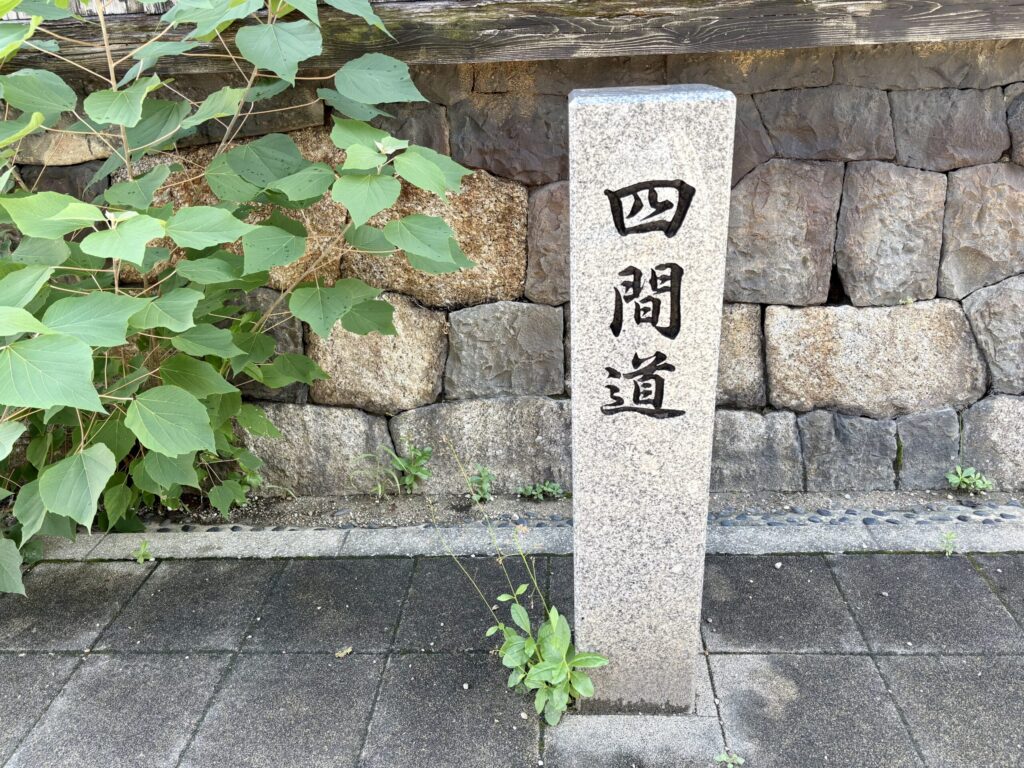
Shikemichi literally means “four-ken street.” A ken is an old Japanese unit of about 1.8 m, so four ken is about 7 m.
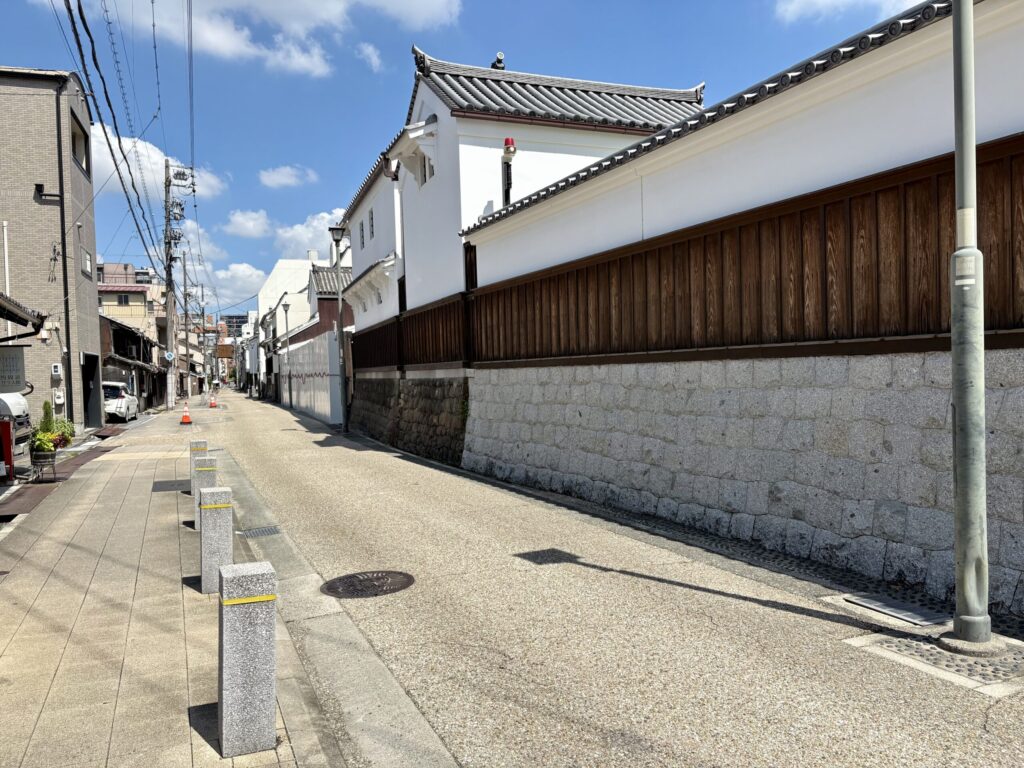
The reason for the width was fire. The great fire of Genroku 13 (1700) destroyed more than 1,640 townhouses. After the great fire, the lane is said to have been widened to four ken, or about seven meters, both to help prevent fires from spreading and also to accommodate the movement of people and goods associated with commercial activity.
Fire shaped another old Nagoya townscape too — see my guide to Arimatsu, Nagoya’s old shibori town.
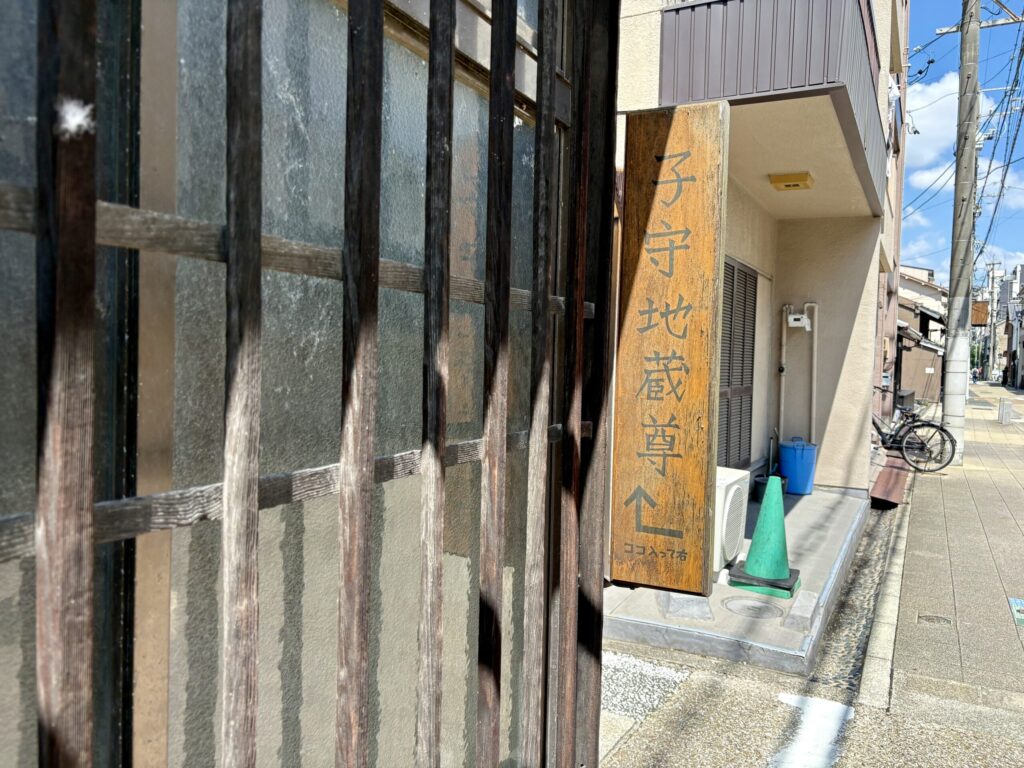
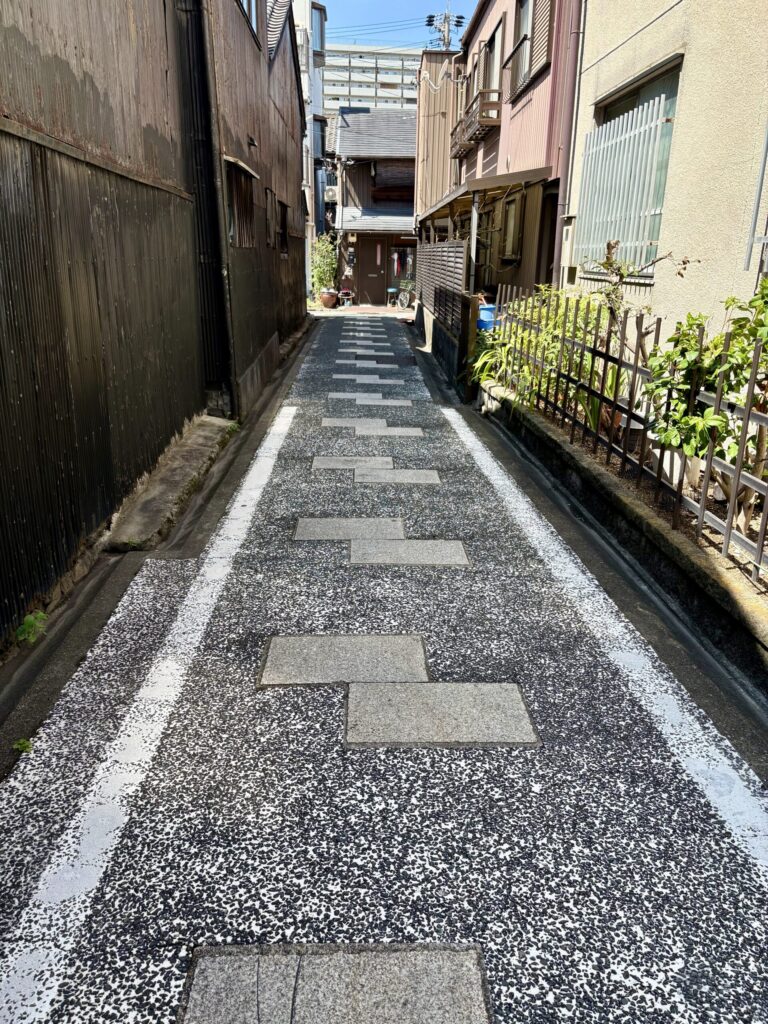
If you walk down this narrow side alley off Shikemichi, there is Komori Jizoson (子守地蔵尊).
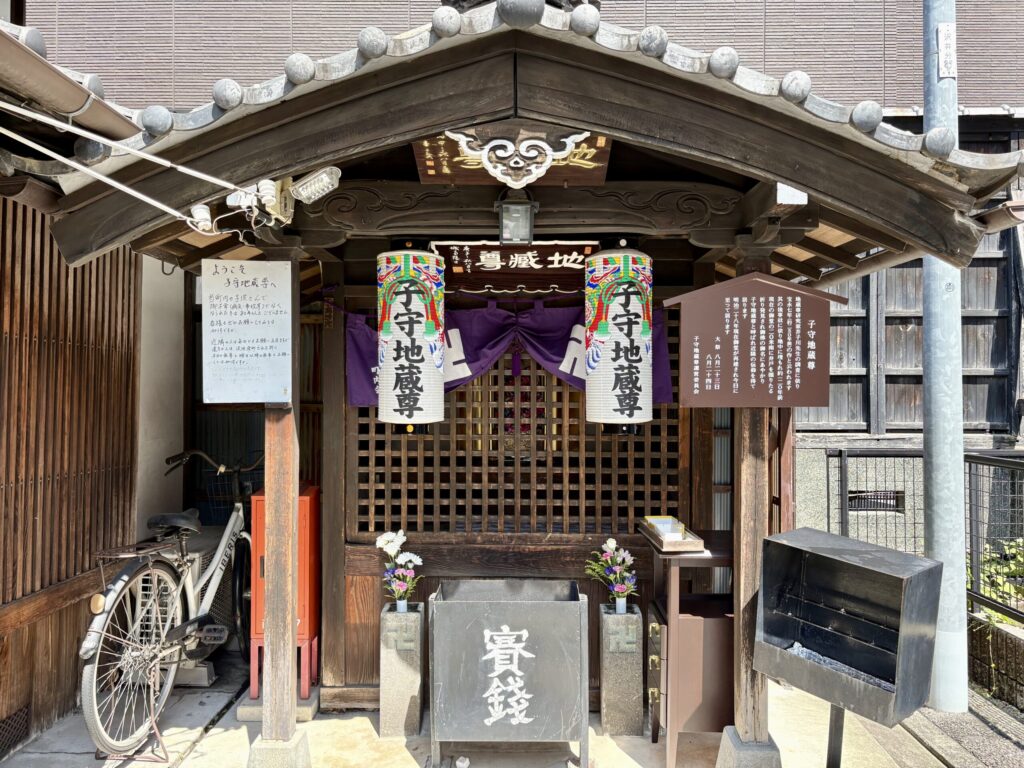
It’s a small hall enshrining a guardian Jizo statue dated 1710, which was found while digging a well. The hall was built in 1895, and the Jizo has watched over the neighborhood’s children ever since.
Endoji Shopping Street (円頓寺商店街)
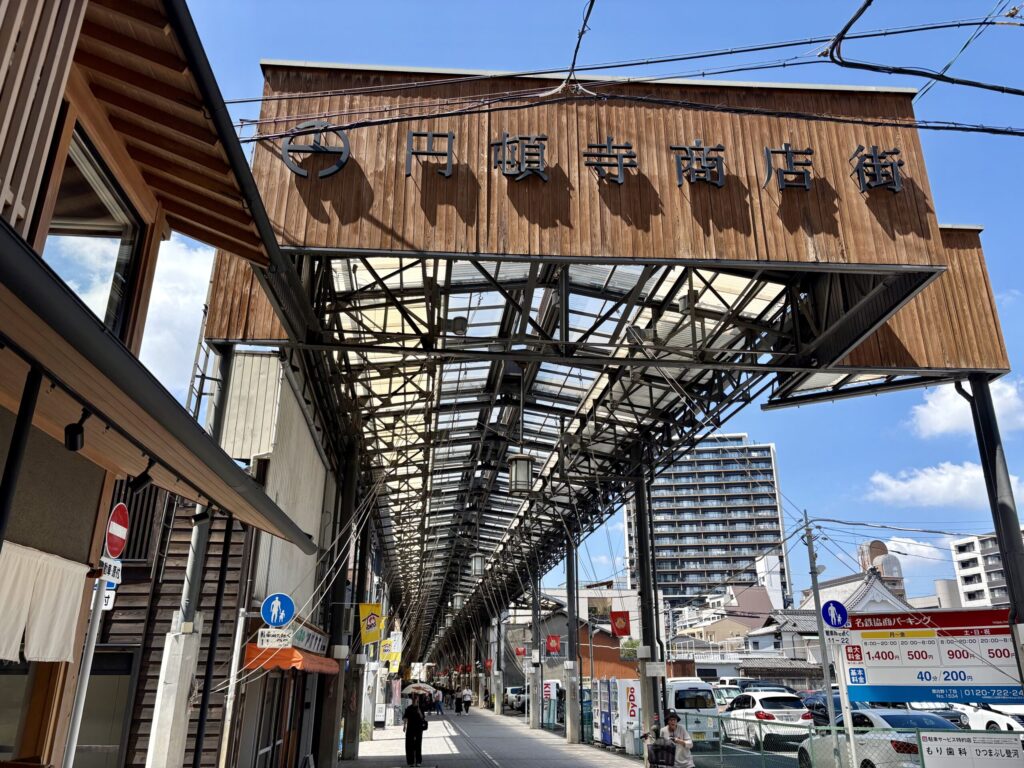
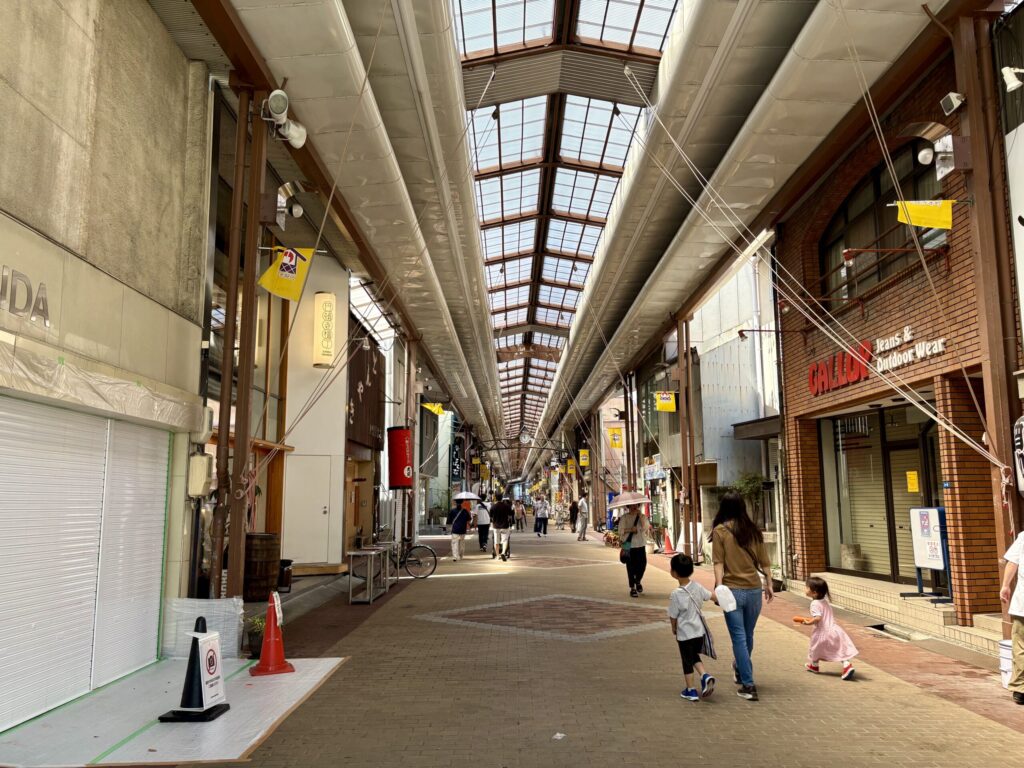
As you continue along Shikemichi, you’ll reach Endoji Shopping Street, considered one of the oldest shopping streets in Nagoya, a nostalgic arcade that evokes Japan’s postwar Showa era (roughly the 1950s to the 1980s). In Japan, this nostalgic atmosphere is often described as “Showa retro (昭和レトロ).”
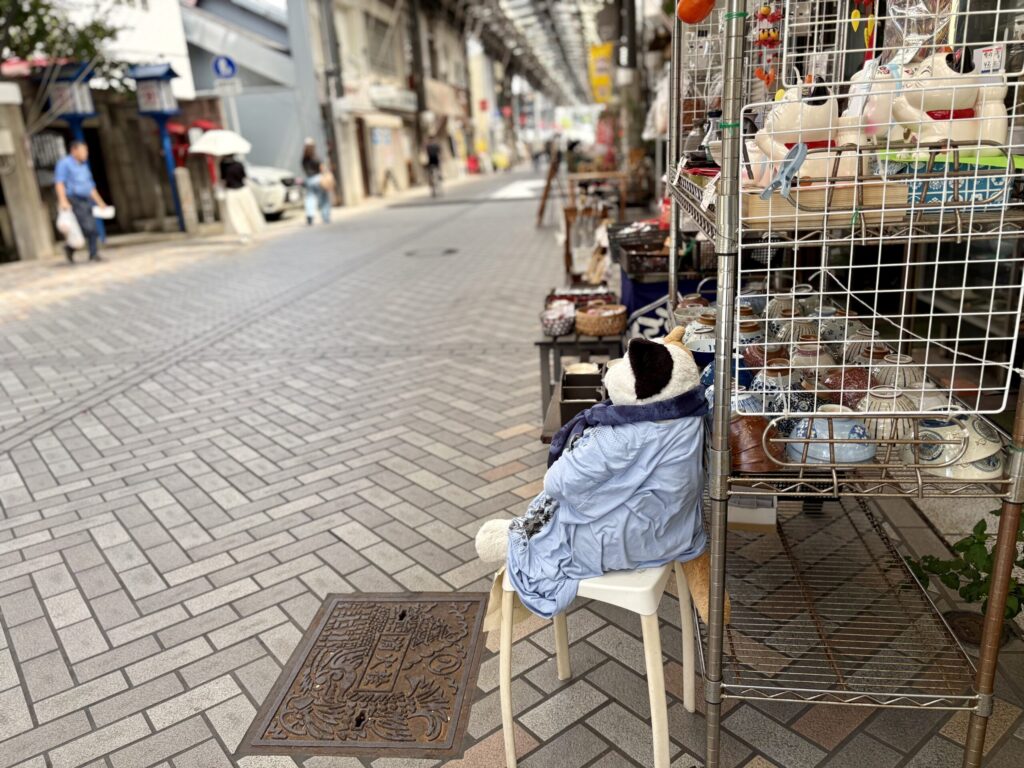
The appeal of Showa retro lies in its nostalgic and warm atmosphere. Old-fashioned signs, cafés, shops, furniture, and everyday items have a unique charm that feels both familiar and new.
First things first, I stopped by this cute little bakery at the entrance of the shopping arcade and bought a few things.
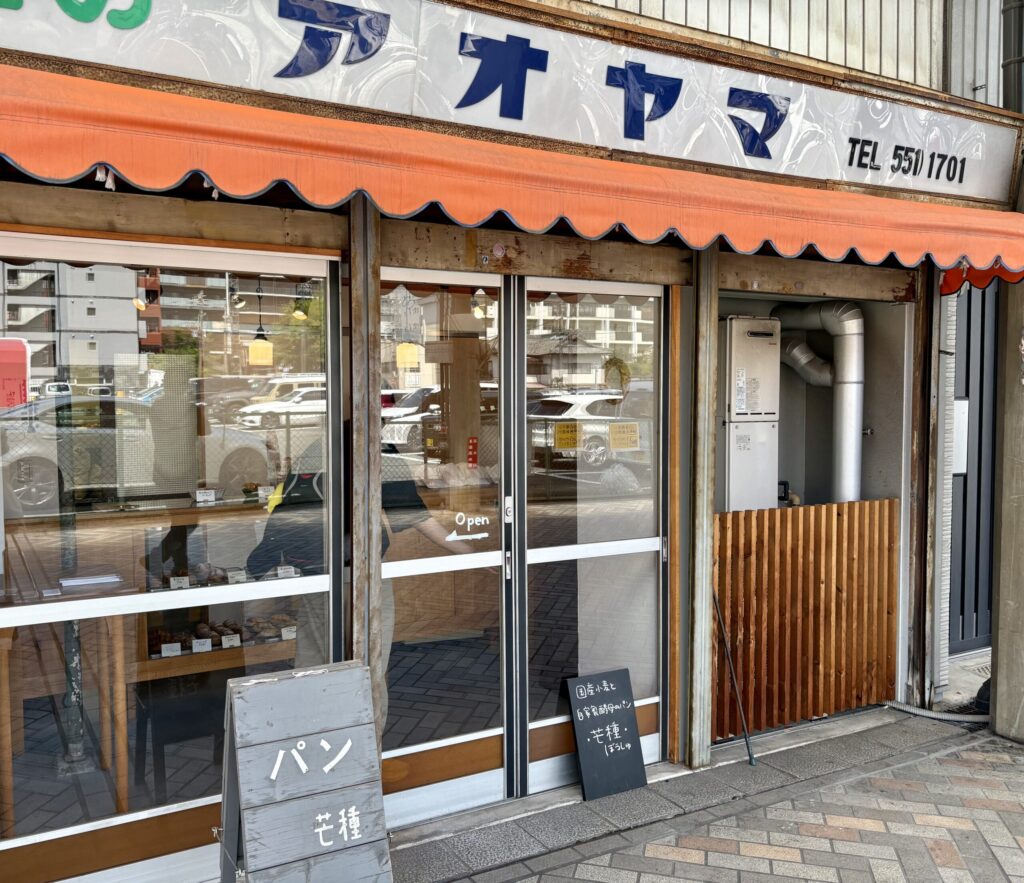
芒種 (Boushu): They bake their bread using Japanese-grown wheat and their own homemade yeast.
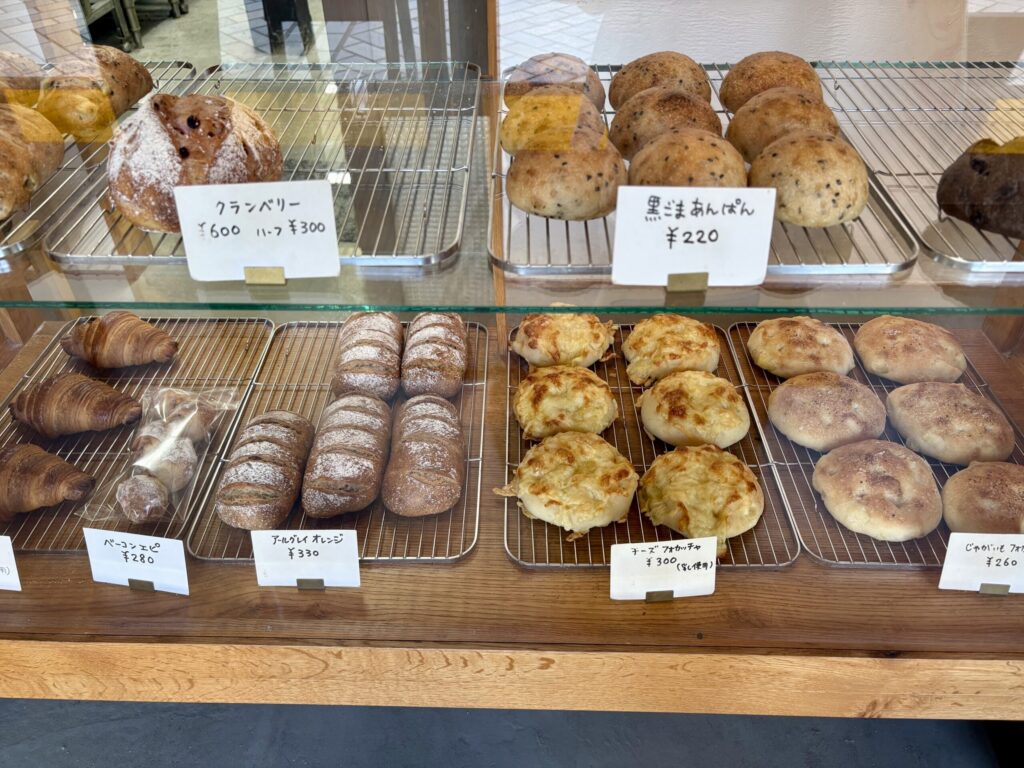
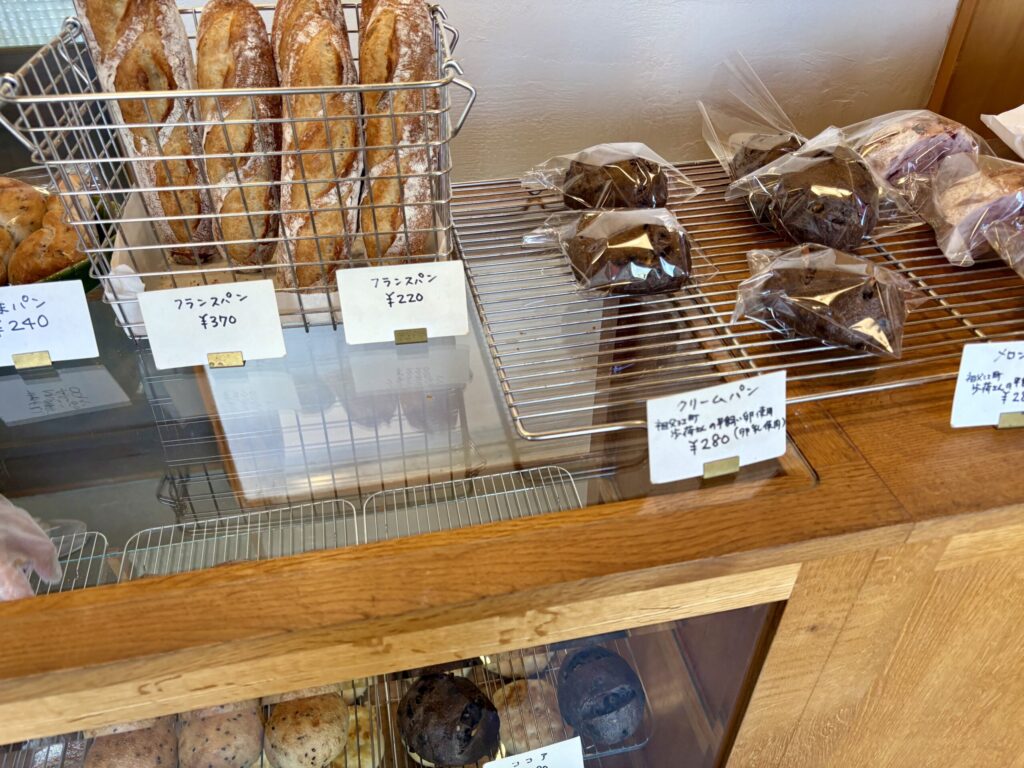
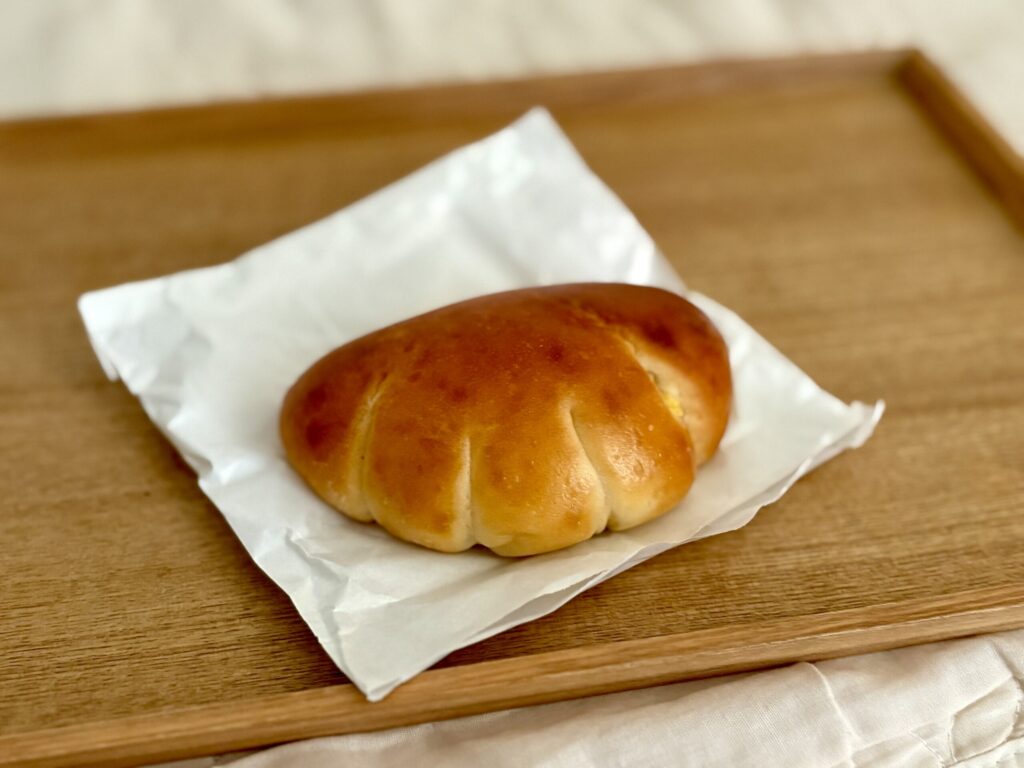
I bought a cream bun, a crusty cranberry bread, and a crusty Earl Grey and orange bread. I can’t wait to enjoy them at home later!
Here, they happened to be doing Kabuki(?) show! Lucky me!
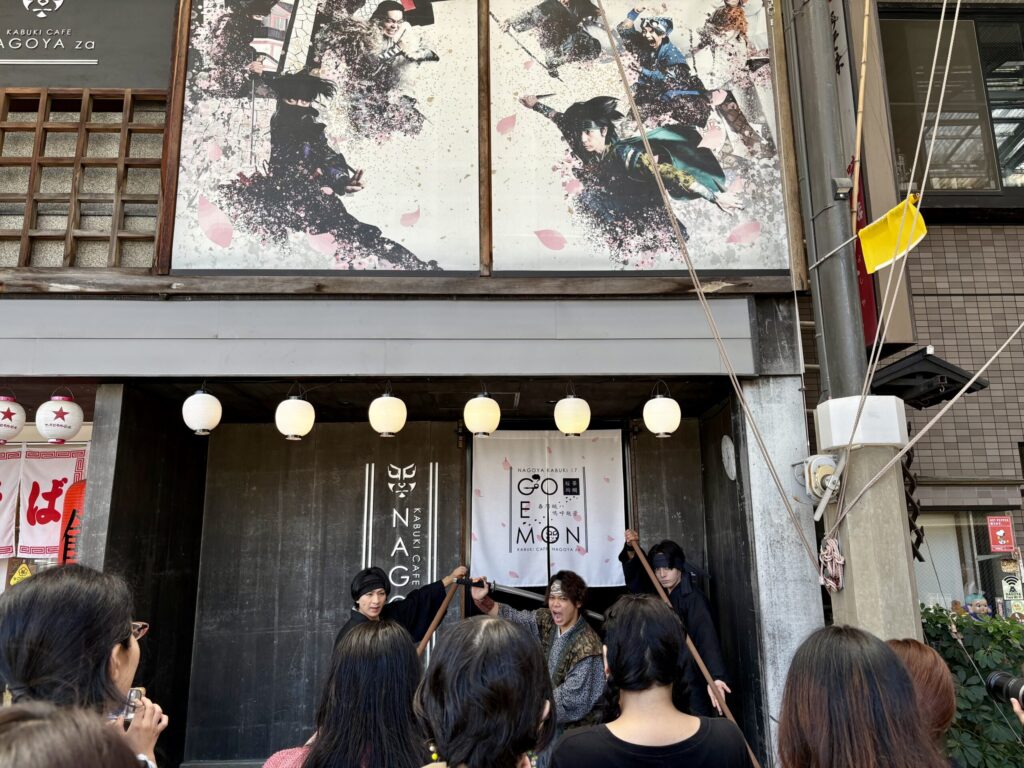
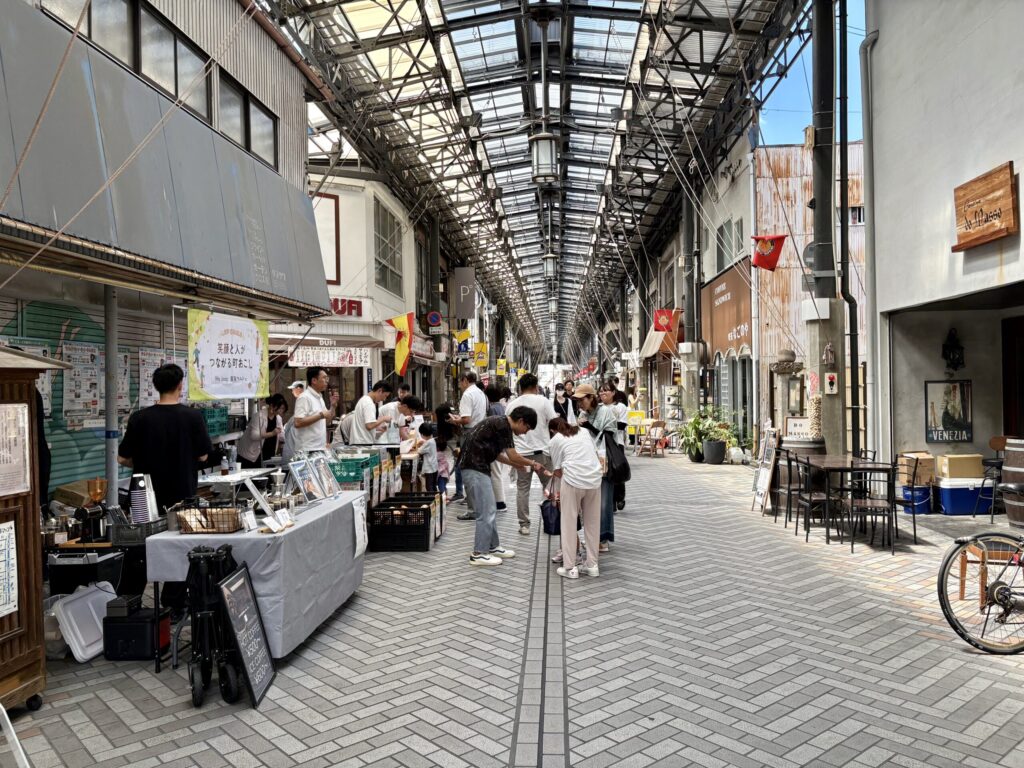
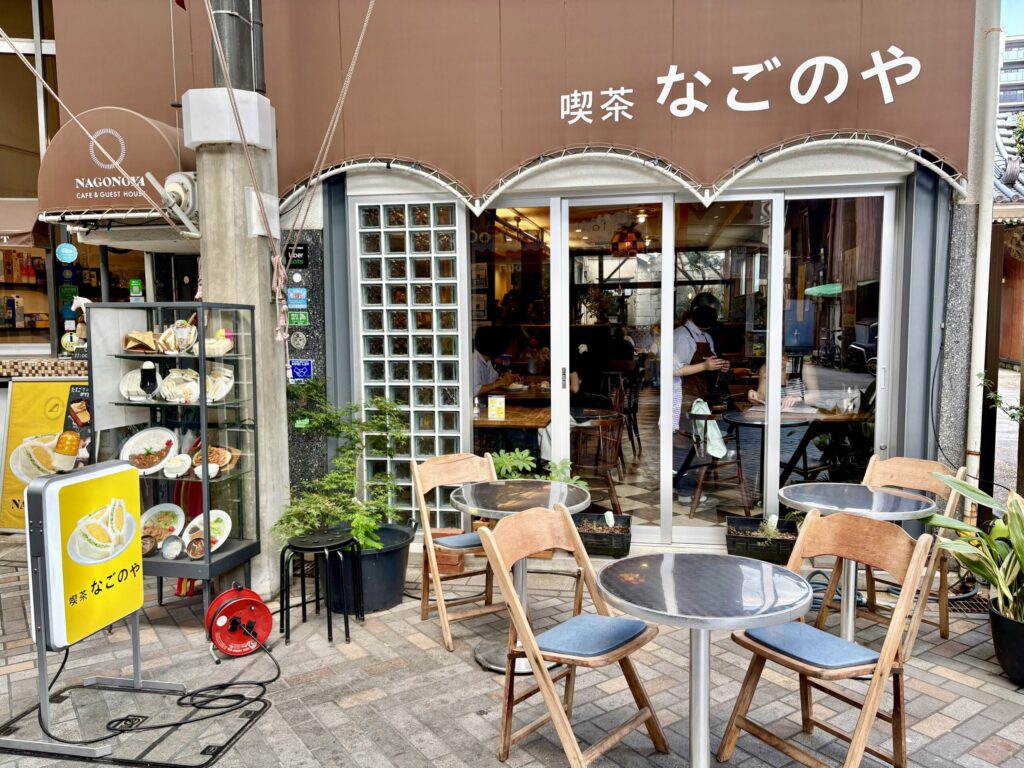
Nagonoya (なごのや) is a retro-style cafe (kissaten) well known for its thick egg sandwich (tamago sand). The second floor of Nagonoya is a guesthouse, so you can even stay overnight right in the shopping street. That could be an interesting experience, couldn’t it?
Speaking of kissaten, not all, but many of them are part of Nagoya’s famous morning culture — serving a small breakfast with your coffee! I wrote more about Nagoya morning culture, along with the café where I recommend trying “Morning”;) Check it out!
Next, I’d like to introduce a spot I really hope you’ll stop by. It’s Konpira Shrine (金刀比羅神社), tucked away in a corner of the Endoji Shopping Street.
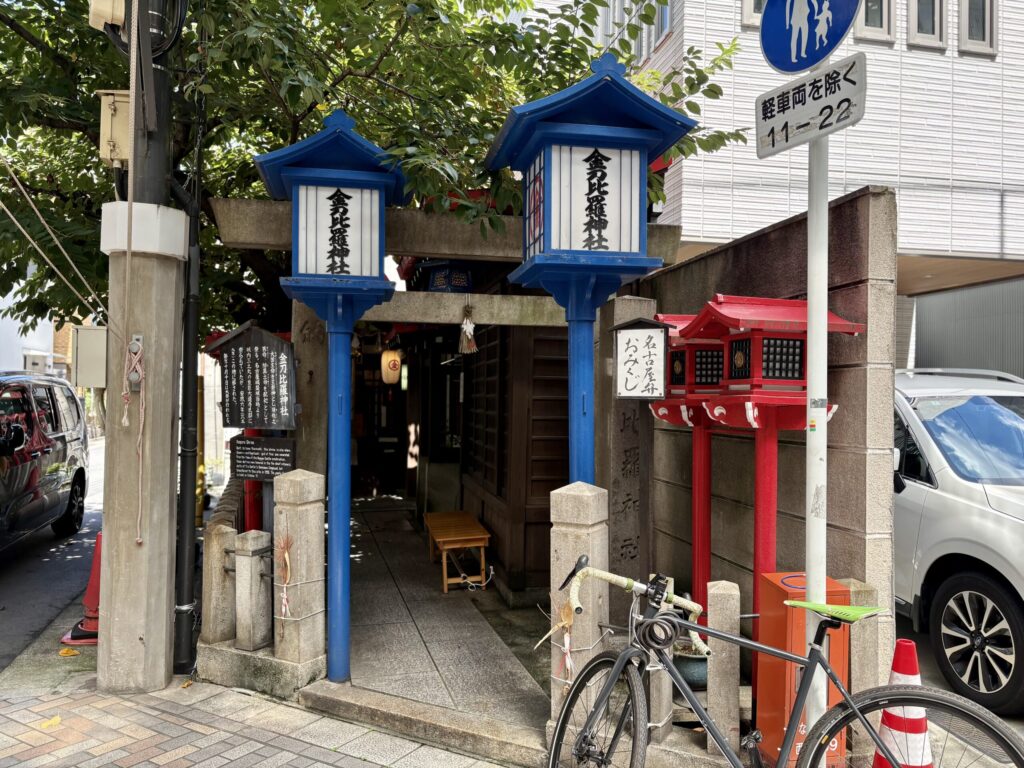
What is unique about this shrine is that their omikuji (おみくじ, fortune slips) are written in Nagoya dialect! I bet you’ve never drawn an omikuji in Nagoya dialect before;)
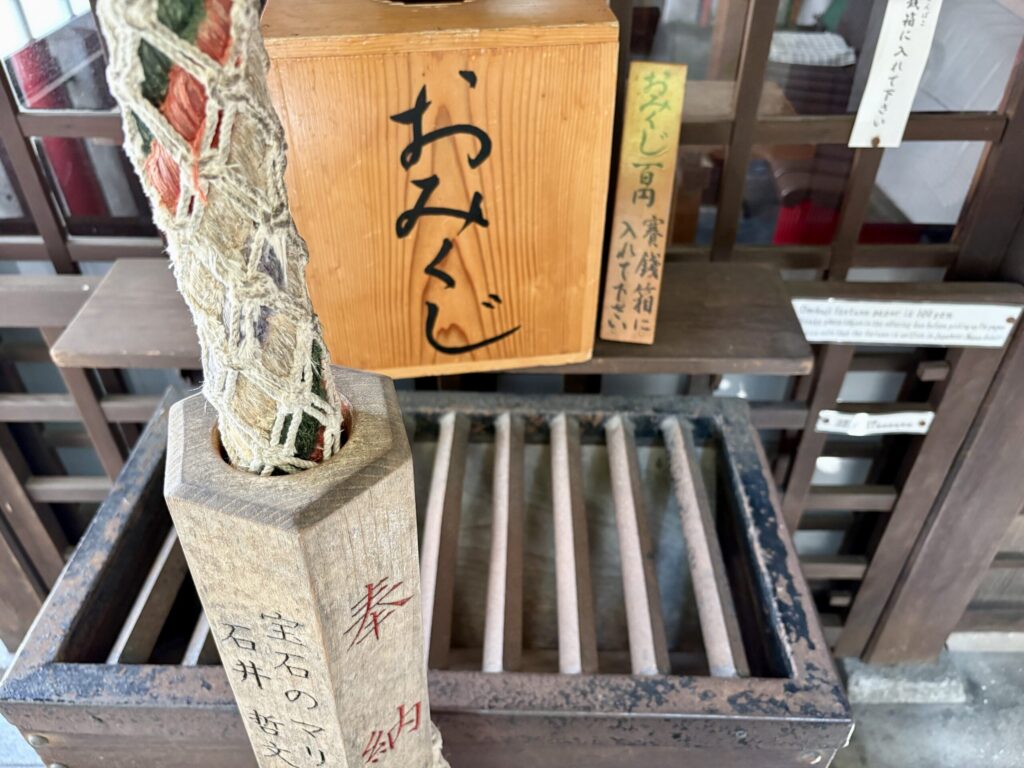
Each omikuji costs ¥100 — just drop your coin into the offering box.
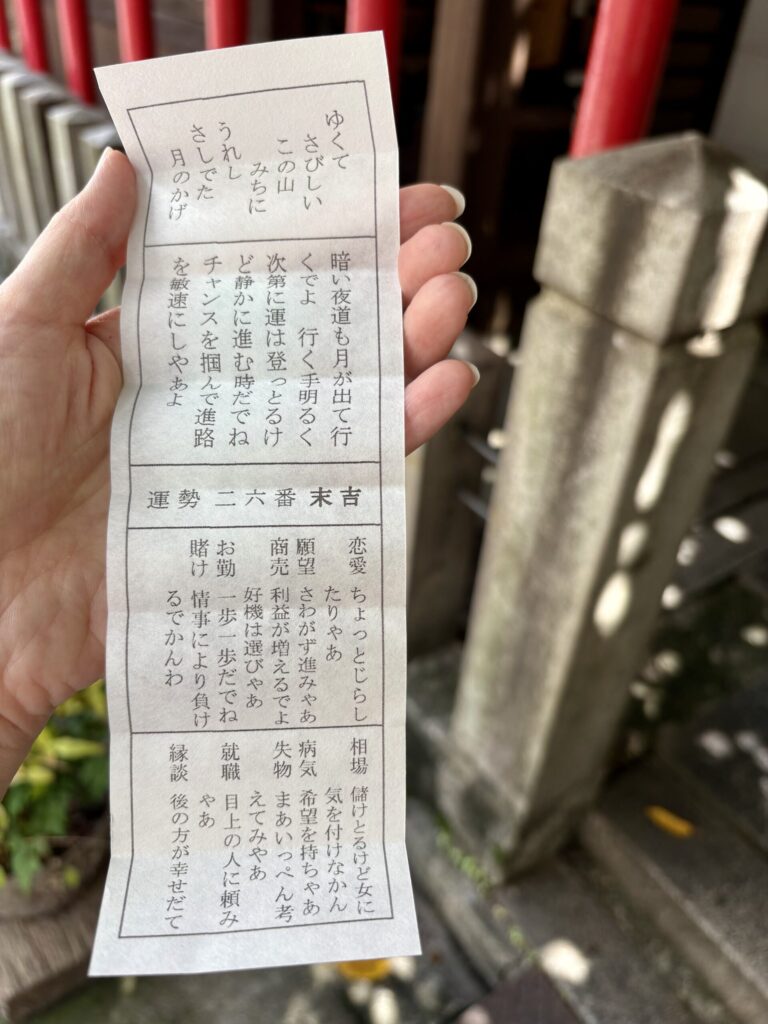
By the way, do you know how omikuji fortunes are ranked? Omikuji are ranked from best to worst, but there is no official standard, and the order varies from shrine to shrine.
The two most common patterns are:
- Daikichi/大吉 (great blessing) → Kichi/吉 (blessing) → Chukichi/中吉 (middle blessing) → Shokichi/小吉 (small blessing) → Suekichi/末吉 (future blessing) → Kyo/凶 (bad luck)
- Daikichi/大吉 → Chukichi/中吉 → Shokichi/小吉 → Kichi/吉 → Suekichi/末吉 → Kyo/凶
You’ve probably seen omikuji tied to racks at shrines. You are free to either tie your omikuji at the shrine or take it home with you, and there is no strict rule depending on whether your fortune is good or bad. That said, if you draw a bad fortune, it’s customary to tie the omikuji paper to a designated rack at the shrine, leaving the bad luck behind.
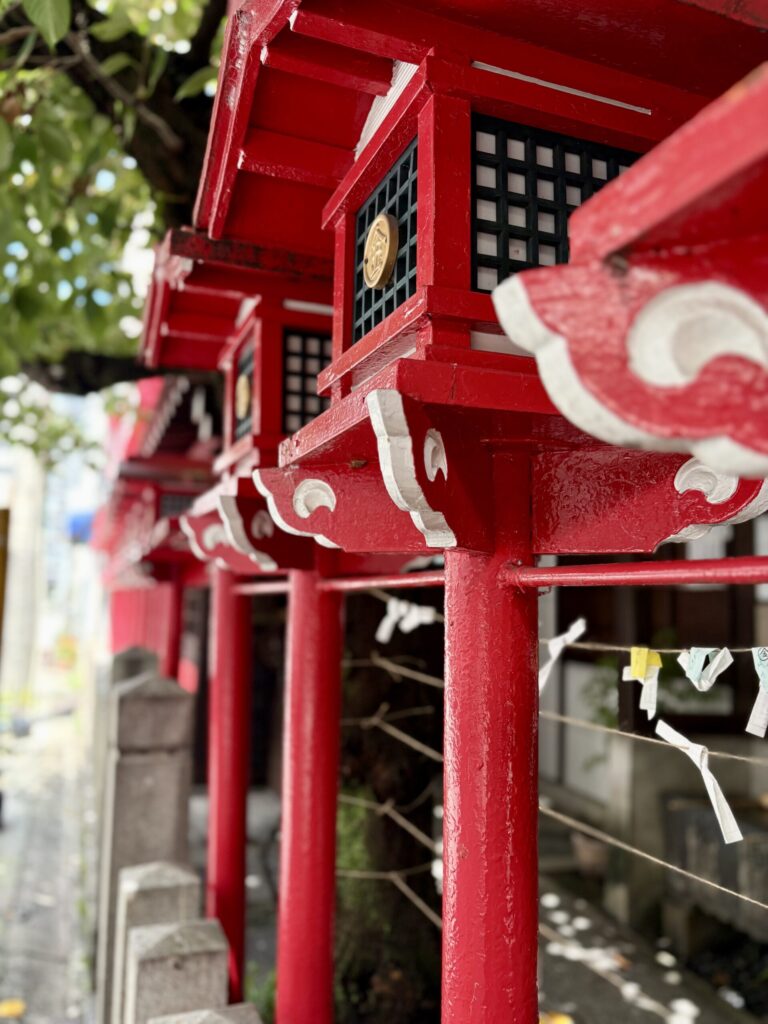
Please note that tying omikuji to tree branches is not allowed as it can harm trees. Be sure to use the designated omikuji rack instead of a tree.
If you want to try a few Nagoya dialect words yourself, here are 4 local words to try on your trip😉
Endoji Honmachi Shopping Street (円頓寺本町商店街)
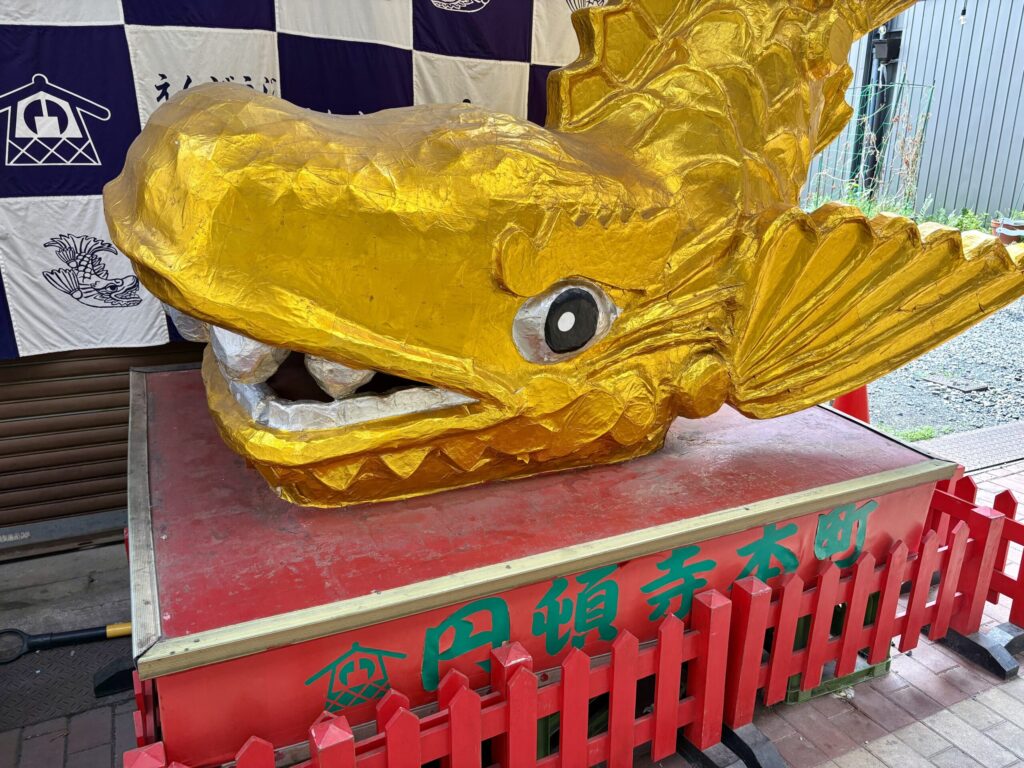
Endoji Shopping Street is actually two arcades, not one. Cross this intersection and you’ll find yourself in the Endoji Honmachi Shopping Street (円頓寺本町商店街, the shopping street on the west side).
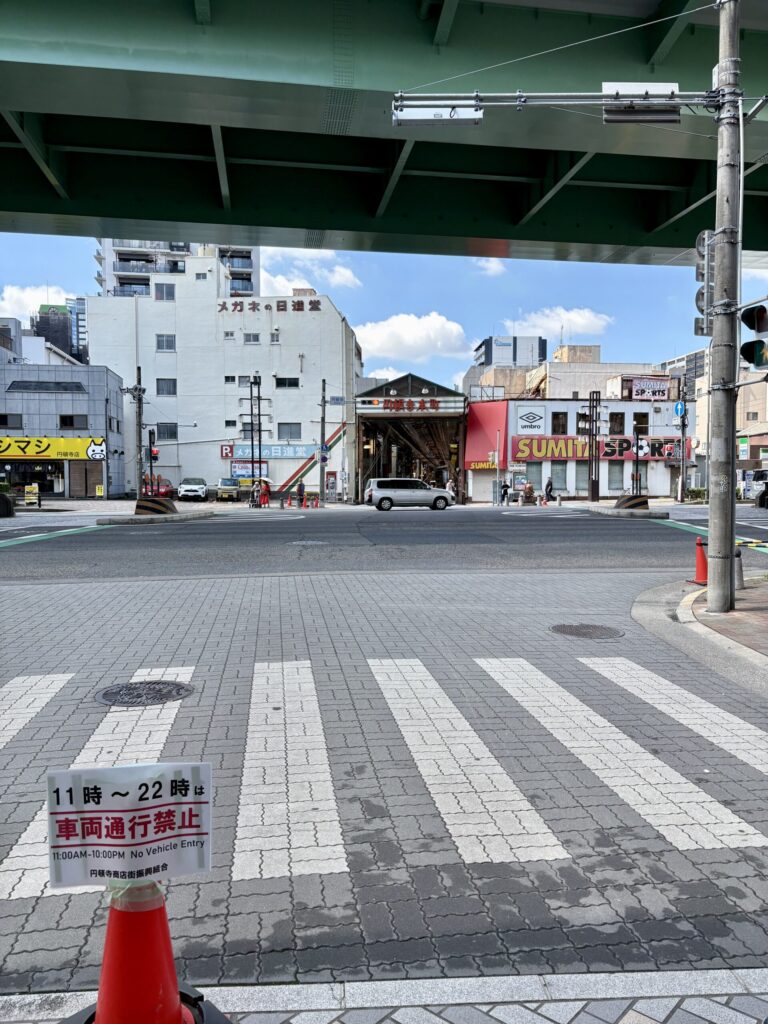
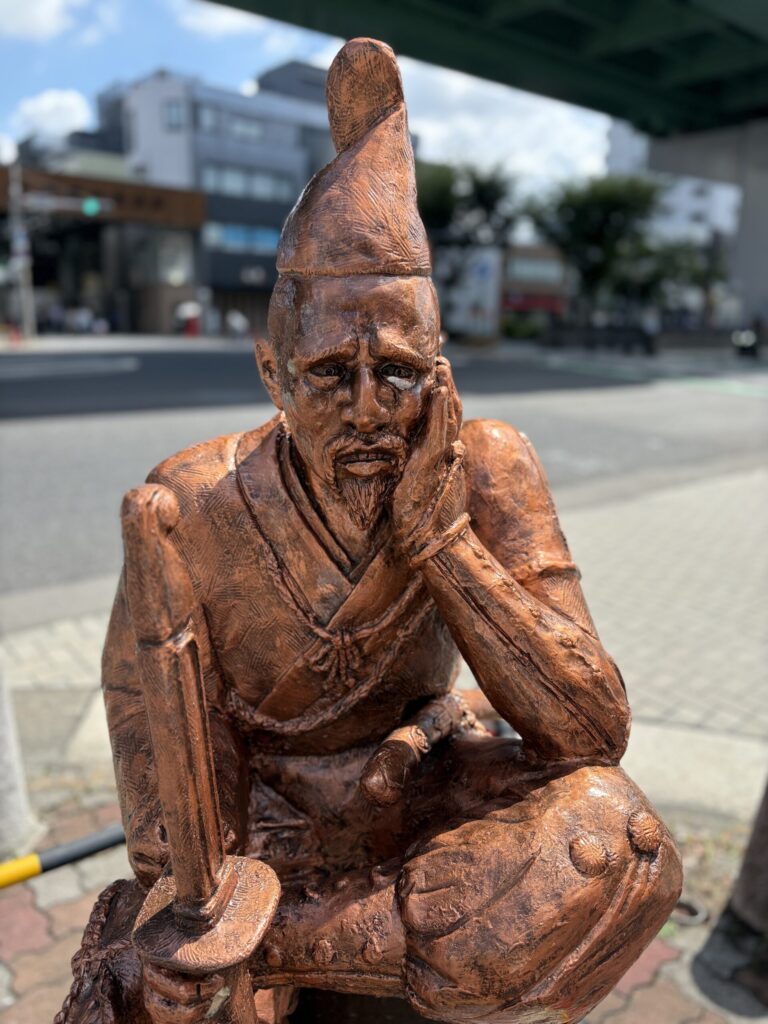
At each of the four corners of the intersection stands a statue of the “Three Great Unifiers” of Japan, all from Aichi Prefecture (Oda Nobunaga, Toyotomi Hideyoshi, and Tokugawa Ieyasu), and — for some reason — one of Mito Komon, the hero of a long-running Japanese period TV drama.
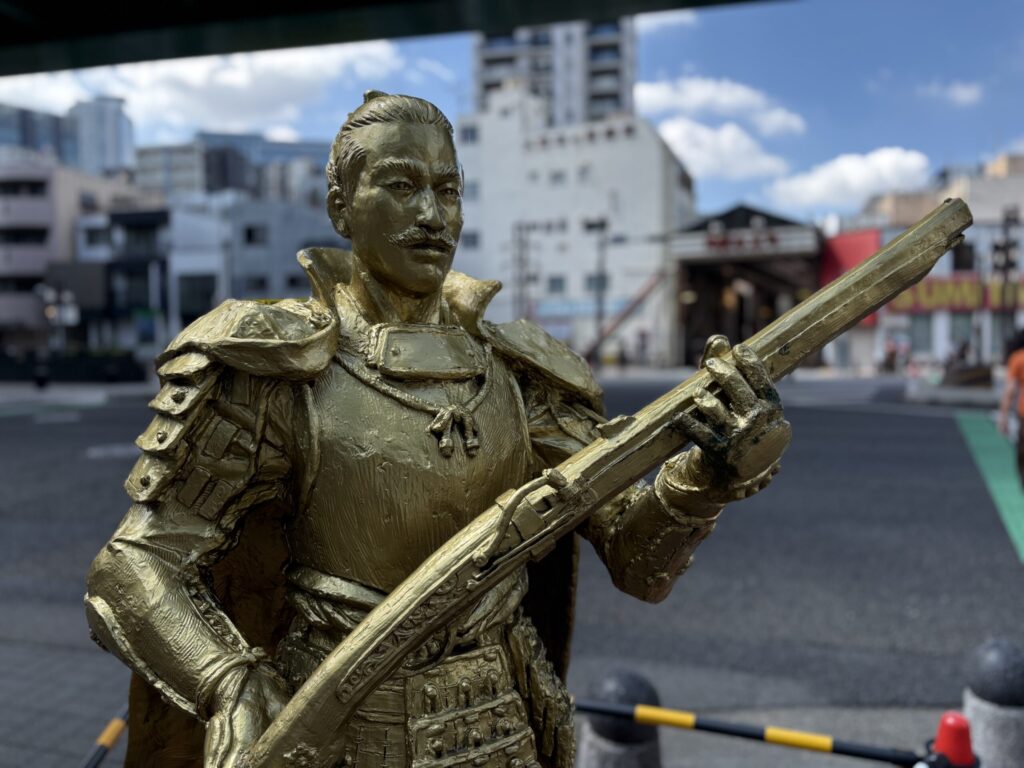
Oda Nobunaga is in gold, Toyotomi Hideyoshi in silver, Tokugawa Ieyasu in bronze, and Mito Komon in full color;) Which statue did you meet?
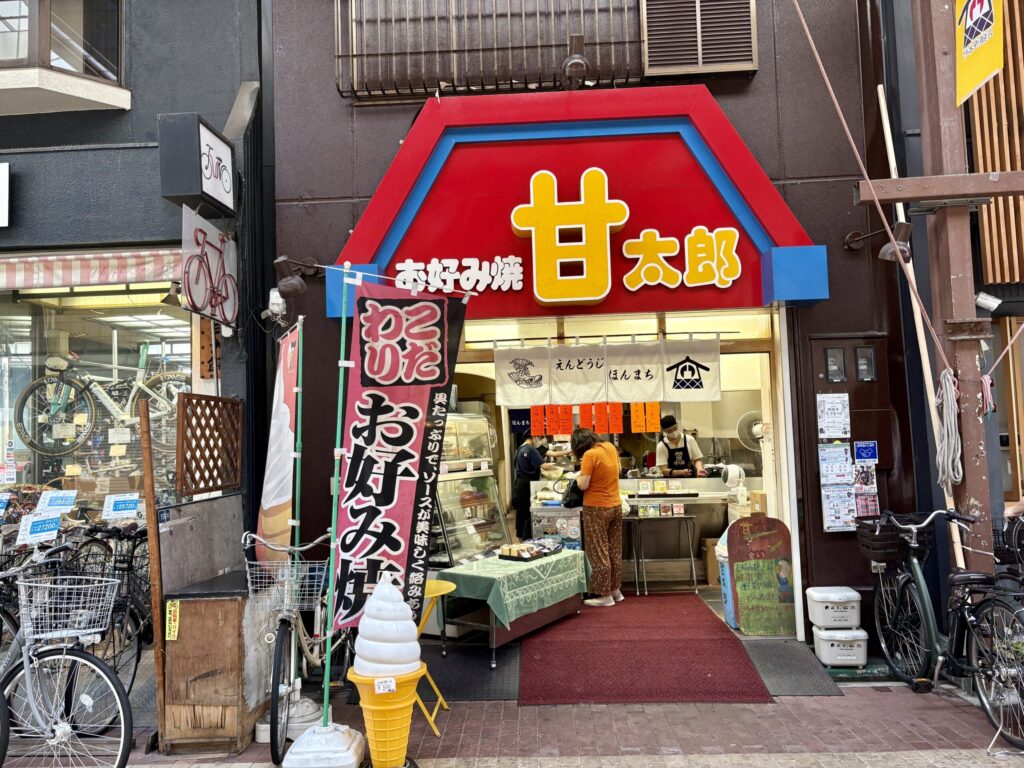
This is a popular takeout-only shop, Amataro (甘太郎), that offers folded okonomiyaki, sometimes called “Nagoya-style”, along with yakisoba, mitarashi dango etc. You can buy okonomiyaki starting at just ¥220! It’s a local favorite that’s very easy on your wallet:)
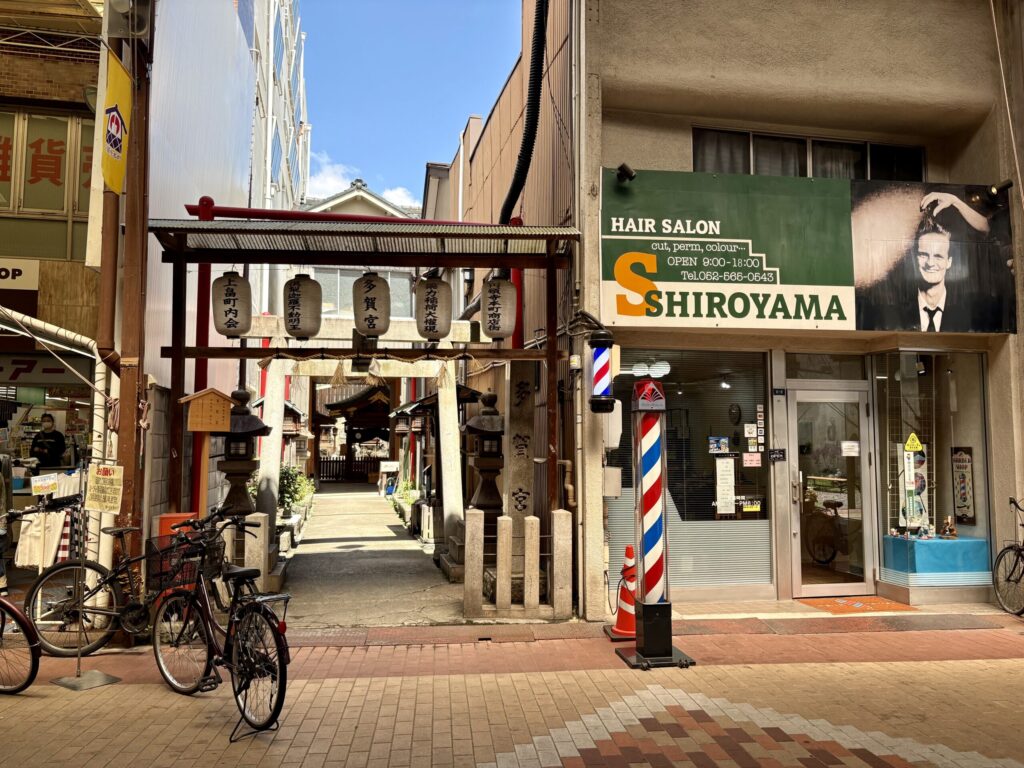
And this is Taga Shrine (多賀宮), the shrine in the west-side shopping street. If you go through the narrow entrance, in front of the shrine sits the omokaru-ishi (おもかる石), a round stone that tells you whether your wish will come true.
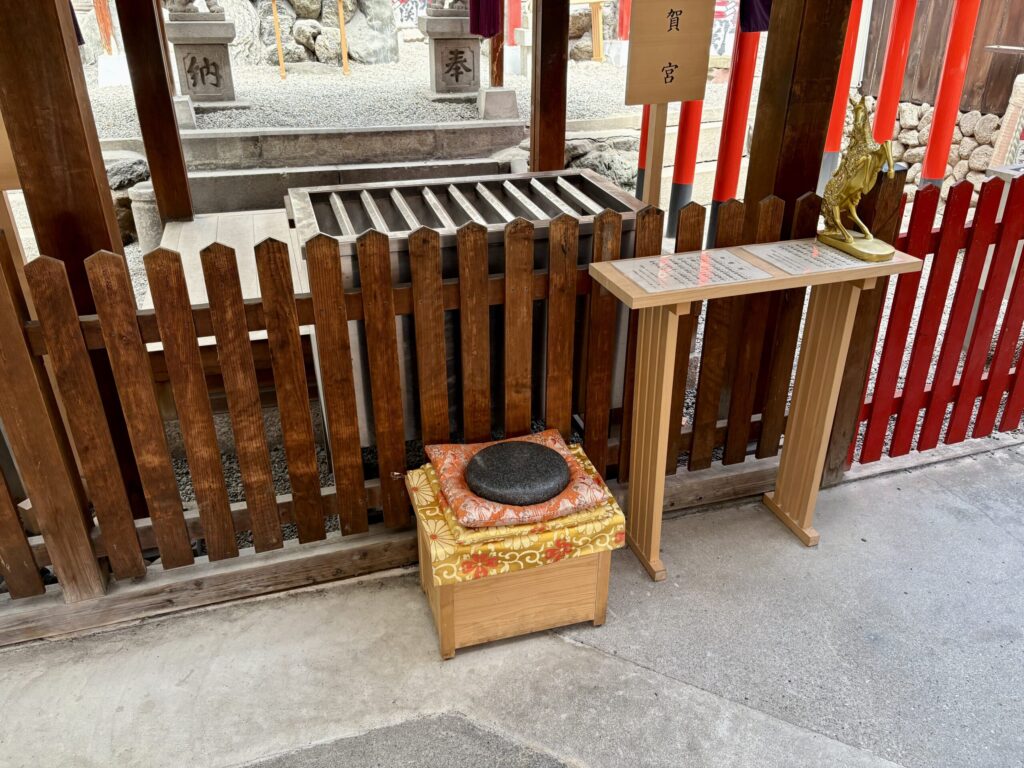
First, make a wish, then lift the stone. If it feels light, your wish will come true; if it feels heavy, it means you’ll need to put in a little more effort;)
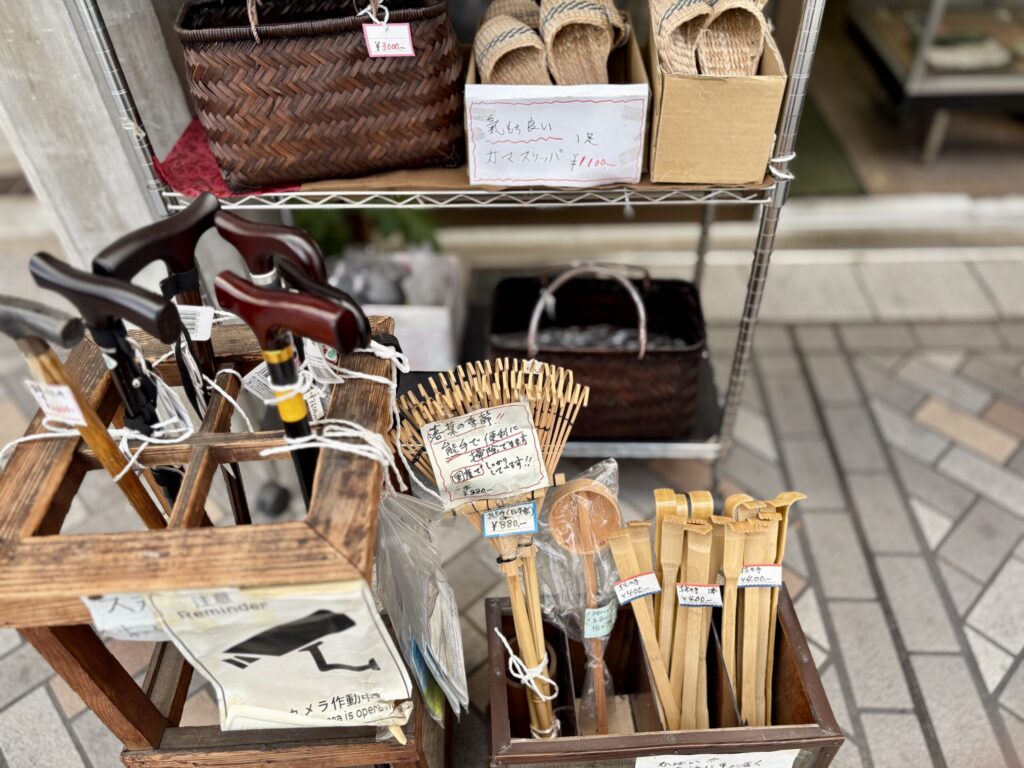
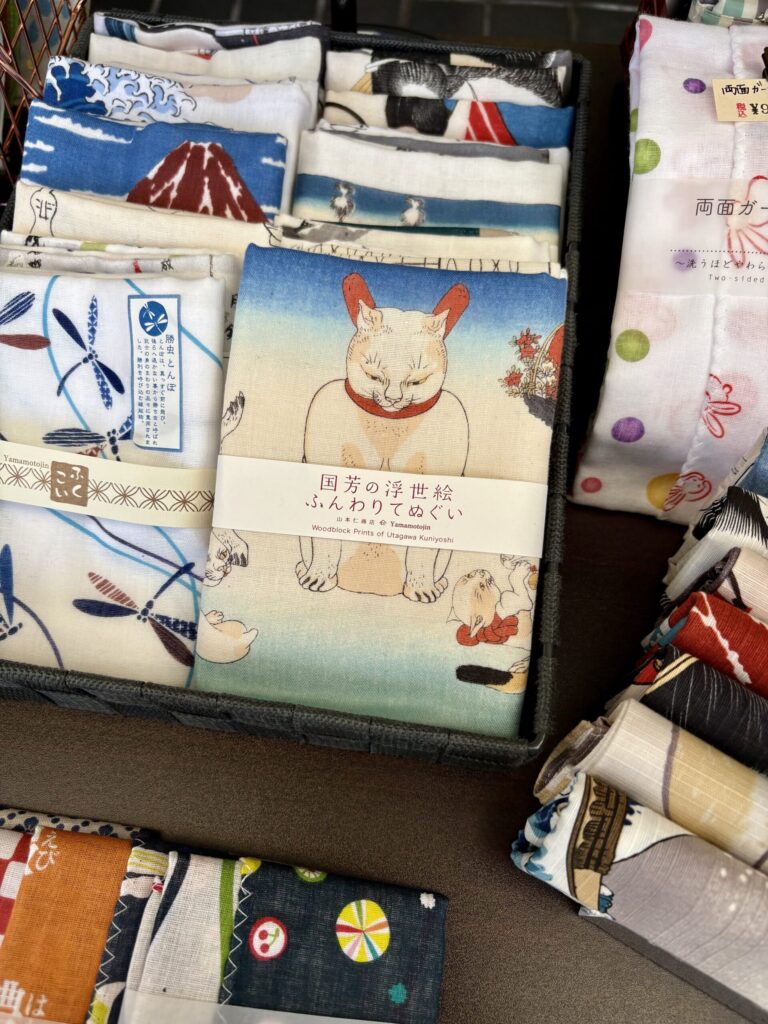
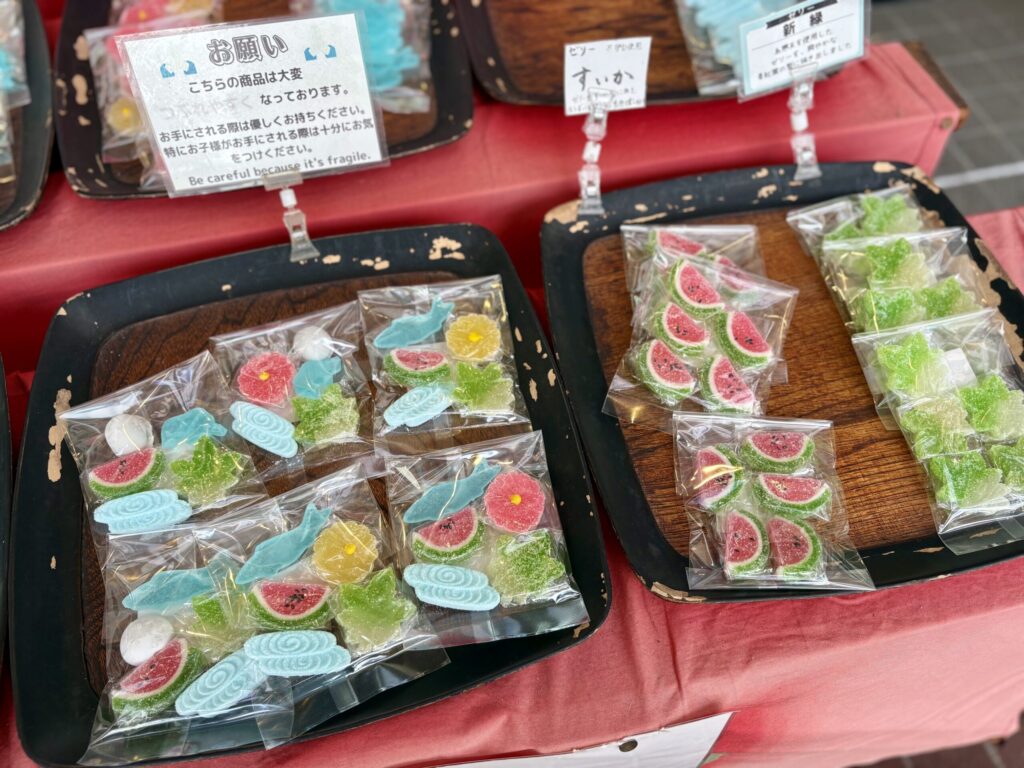
There are many cute, retro cafes, restaurants and shops in the street. You can enjoy foods, shopping, and entertainment while taking a stroll.
This isn’t a tourist attraction but a place where people actually live, so you will also get a glimpse of everyday local life.
How Long to Spend
Just to give you an idea, Shikemichi is a short, residential lane, not a district you can spend a day in. I’d say 1.5-2 hours for both Shikemichi and the Endoji Shopping Street with stops.
Endoji Shopping Street is roofed, so it could also be perfect for a rainy-day option. Unfortunately, Shikemichi isn’t, so if it is pouring, you can do the arcade only.
Access
5-minute walk from Exit 2 of Kokusai Center Station (国際センター駅), or
10 to 15 minutes walk from Nagoya Station (名古屋駅).
It’s one subway stop from Nagoya Station, so you could walk but the subway might be the right call in rain or heat. The subway minimum fare is ¥210 one way.
For subway passes and paying by credit card tap, see my guide to getting around Nagoya.
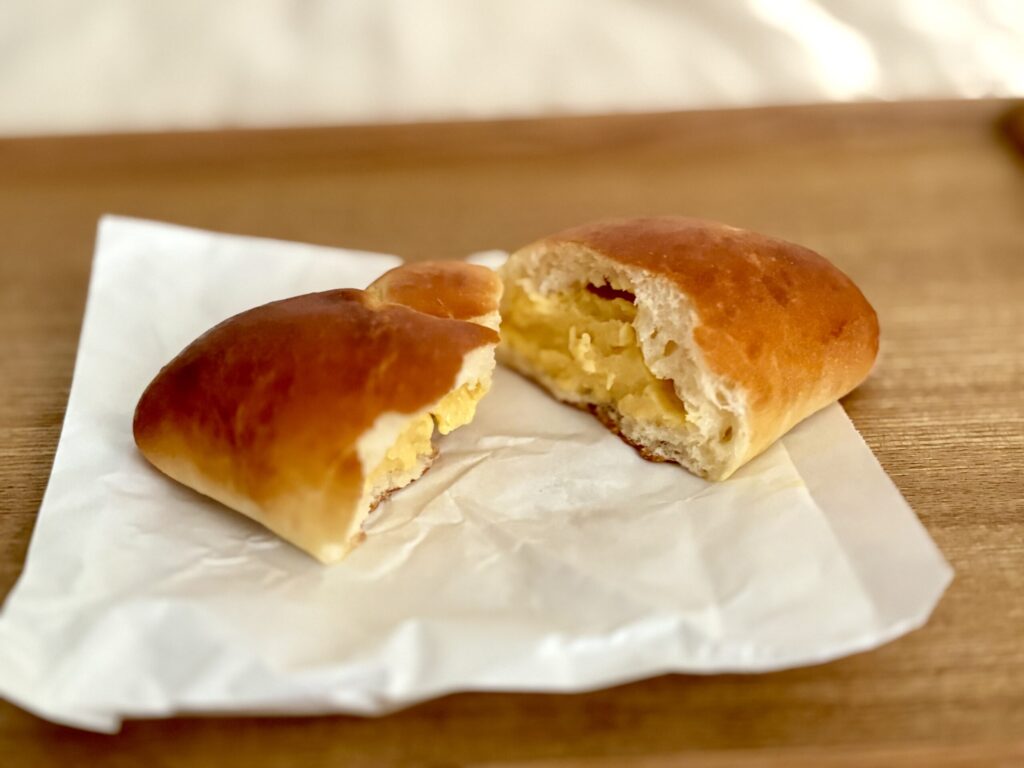
I had the cream bun right after I got home:) The rich, eggy creamy custard paired with soft and fluffy bread was absolutely delicious!
There is something nostalgic about this place that’s hard to put into words…
Come and see what makes this place feel so nostalgic to us;)
📍 How to get there: About 5 minutes on foot from Exit 2 of Kokusai Center Station, one subway stop from Nagoya Station (¥210) — or walk the whole way from Nagoya Station in 10–15 minutes.
⏱ Time needed: About 1.5–2 hours with stops — longer if you sit down for lunch or coffee.
💰 Budget: Basically free — just the subway (¥210 each way) if you don’t walk, plus whatever you snack on or take home.
🗓 Best time to visit: Any time — the Endoji arcade is roofed, so it works on rainy days too (Shikemichi itself is open-air).

Comments