Are you trying to plan your trip to Japan and wondering how many days you actually need in Nagoya — or honestly, whether it’s even worth staying overnight there at all? Maybe you’re thinking, “Wouldn’t a day trip be enough? I can’t seem to find much information either…”
Personally, I recommend staying in Nagoya for two or three days at least. It’s a pity to leave after just one day. There are so many spots worth visiting in and around Nagoya, and you simply can’t possibly tackle all of Nagoya’s local food culture in just one day — unless, of course, you happen to have a few extra stomachs hiding somewhere;p
Nagoya might not have any world-famous attractions, but there are places and experiences I’d love you to discover. They are just not widely known yet;) I’ve put together a suggested Nagoya itinerary from a local’s perspective — so let me walk you through the details!
How to Use This Itinerary
This is a DIY plan. Please mix, match, and swap days and pieces freely to create your very own itinerary perfect for you. This works as a 2-day Nagoya plan, or you can borrow single pieces for a day trip.
If you’re actually more drawn to nearby places like Inuyama Castle, Shirakawa-go or Ise Jingu, I recommend setting up Nagoya as your hub and doing day trips without dragging your bags around — makes your trip much easier and smarter.
Nagoya Centrair Airport to the City + Getting Around
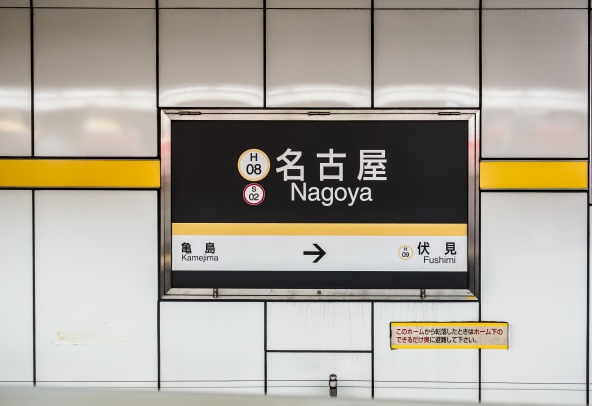
Airport to the city
The train (Meitetsu) is the standard way into the city. The Meitetsu Airport Line connects Central Japan International Airport Station (directly connected to the terminal) with Meitetsu Nagoya Station.
- Travel time: about 40 minutes by Limited Express (特急) trains, or about 28 minutes on the μSKY Limited Express (all reserved seating)
- Fare: around ¥1,000, or around ¥1,400 on μSKY
If you are taking an ordinary car and would rather not deal with ticket machines after a long flight, you can book the one-way ticket in advance on Klook and board with a QR code.
Getting around central Nagoya
The subway is the main way to get around the city. Nagoya Station → Sakae (栄) is 2 stops / about 5 minutes on the Higashiyama Line, and most rides in the city are a few hundred yen. If you plan to hop around, a day pass is often worth it. Suica, PASMO etc. all work but the local IC card is manaca;)
I have written the details up separately — exact fares, day passes, IC cards, the airport bus to Sakae/Fushimi, the sightseeing loop bus, and which option suits which traveler — in Getting Around Nagoya: Subway Passes and Airport Access.
Day 1 — Eat Your Way Through the City
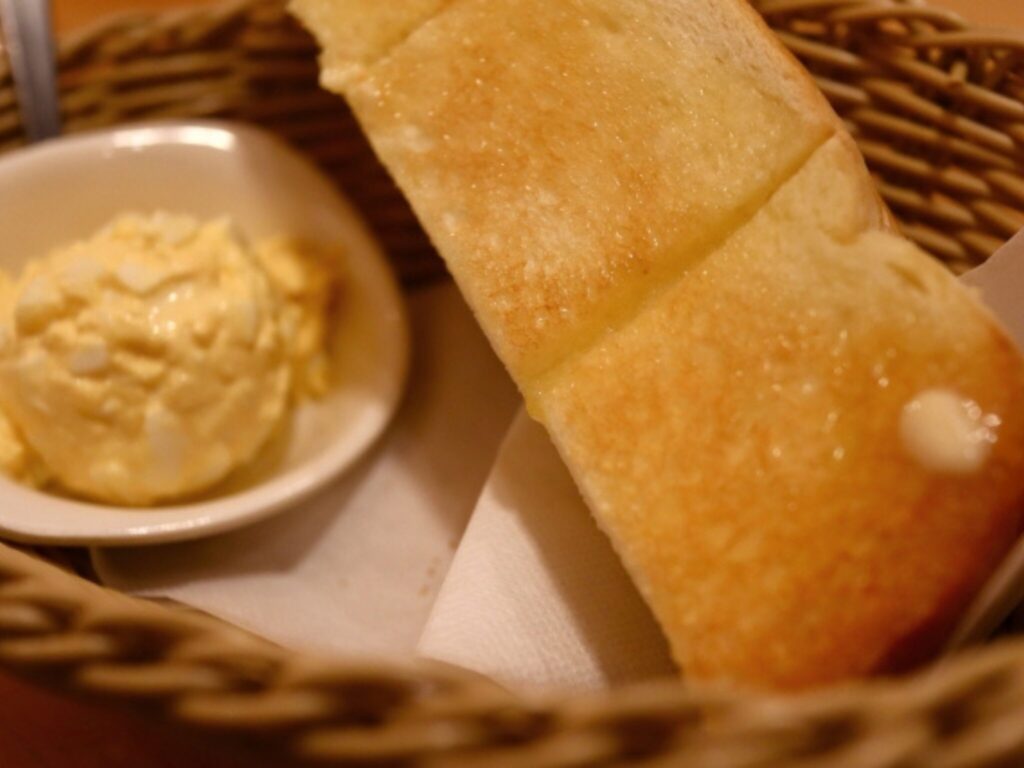
How about starting your day just like a local? First, let’s head to a kissaten (cafe) for morning coffee and enjoy the free breakfast that comes with it. And just like that, you’ve already tasted a piece of Nagoya’s local food culture;) I wrote a full guide of Nagoya Morning Culture.
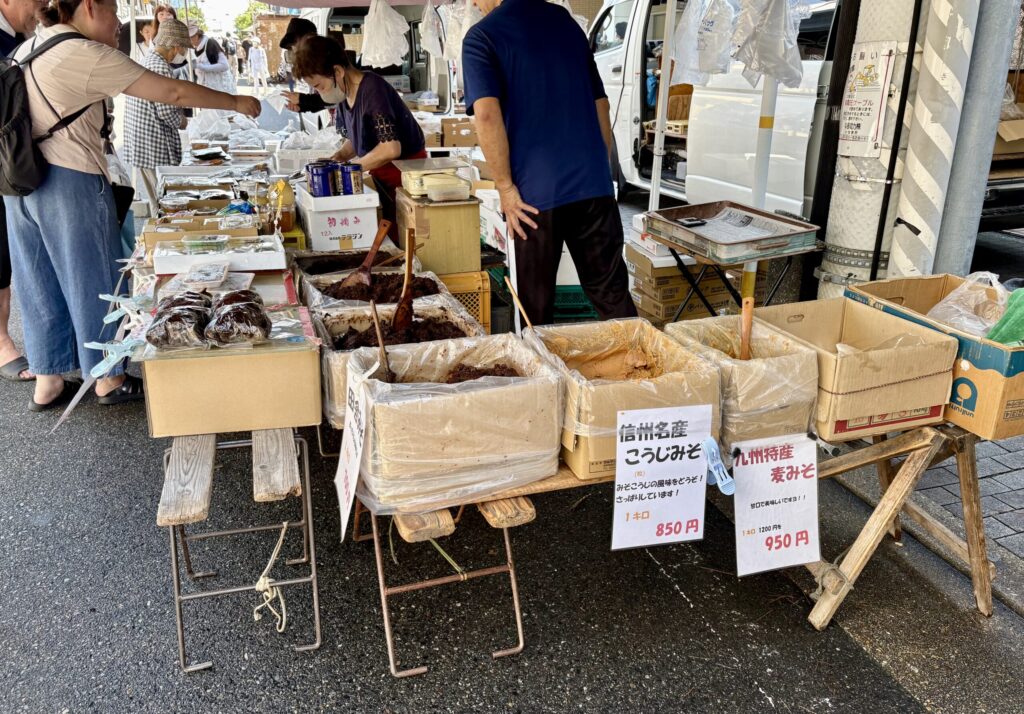
If your visit includes the 21st, Kakuozan Nittaiji temple is a fun place to visit. Temple market is held the 21st of every month. Most stalls start closing early, so I recommend heading straight there right after the ‘morning’. Check my Kakuozan Nittaiji post if you are interested.
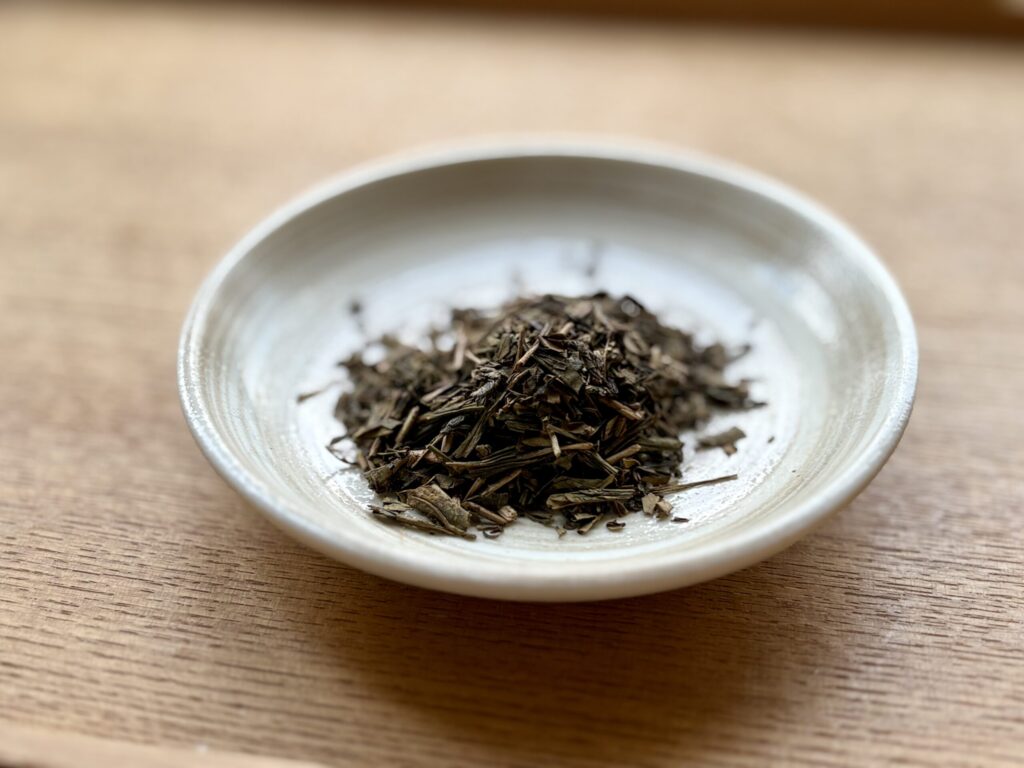
Enjoy exploring the city at your own pace — places like Nagoya Castle, Atsuta Shrine, and Osu Shopping District — and have a tea break at Nagoya’s historic hojicha shop, Myokoen. You can grab a hojicha latte or hojicha soft serve at their tea stand at Sakaechika. Don’t forget to pick up their famous hojicha too! It’s never too early for souvenir shopping;p It would be a shame to save it all for your last day and run out of time, right?
Arimatsu is another good option for this part of the day. It is still inside Nagoya City — about 20-30 minutes from Meitetsu Nagoya Station — but the old Tokaido street there is lined with Edo- and Meiji-era merchant houses, and shibori tie-dye has been made in the town for over 400 years. You can watch artisans at work, or book a hands-on workshop and tie-dye your own tenugui.
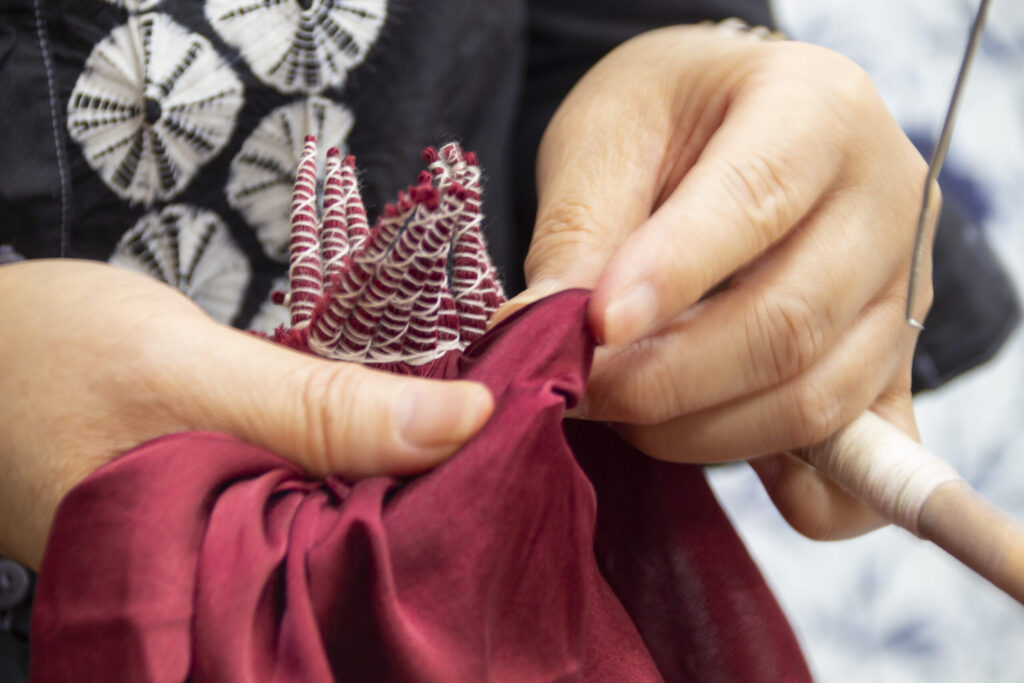
It’s perfect for a half day, so you can still pair it with whatever else you are curious about. Atsuta Shrine, for example, is a direct 15-25 minute ride away on the Meitetsu Nagoya Main Line (Jingu-mae Station) — no transfers. Some of the historic houses open only at weekends, but I think the town is worth a visit just to stroll the old street and browse the shibori shops. Many of them start closing in the late afternoon, so go earlier in the day to make the most of it. For access, what to see and the two local festivals, see my Arimatsu guide.
Atsuta Shrine is another easy one to slot in. It is one of the most revered shrines in Japan, and it sits right inside the city — under 10 minutes from Meitetsu Nagoya Station to Jingu-mae. Step through the torii and the traffic disappears into a forest of thousand-year-old camphor trees. It also guards the sacred Kusanagi sword, one of the Three Imperial Regalia. An hour or so is enough for the grounds, and Atsuta Horaiken is right there if hitsumabushi is on your list. My walking route, the worship etiquette and how to get there are all in my Atsuta Shrine guide.

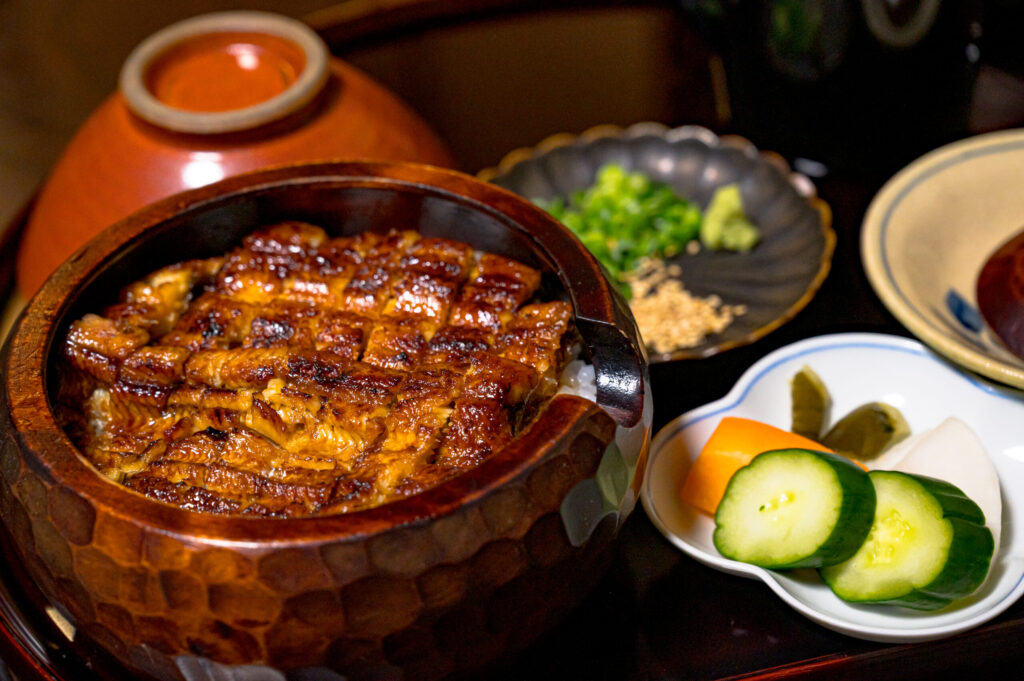
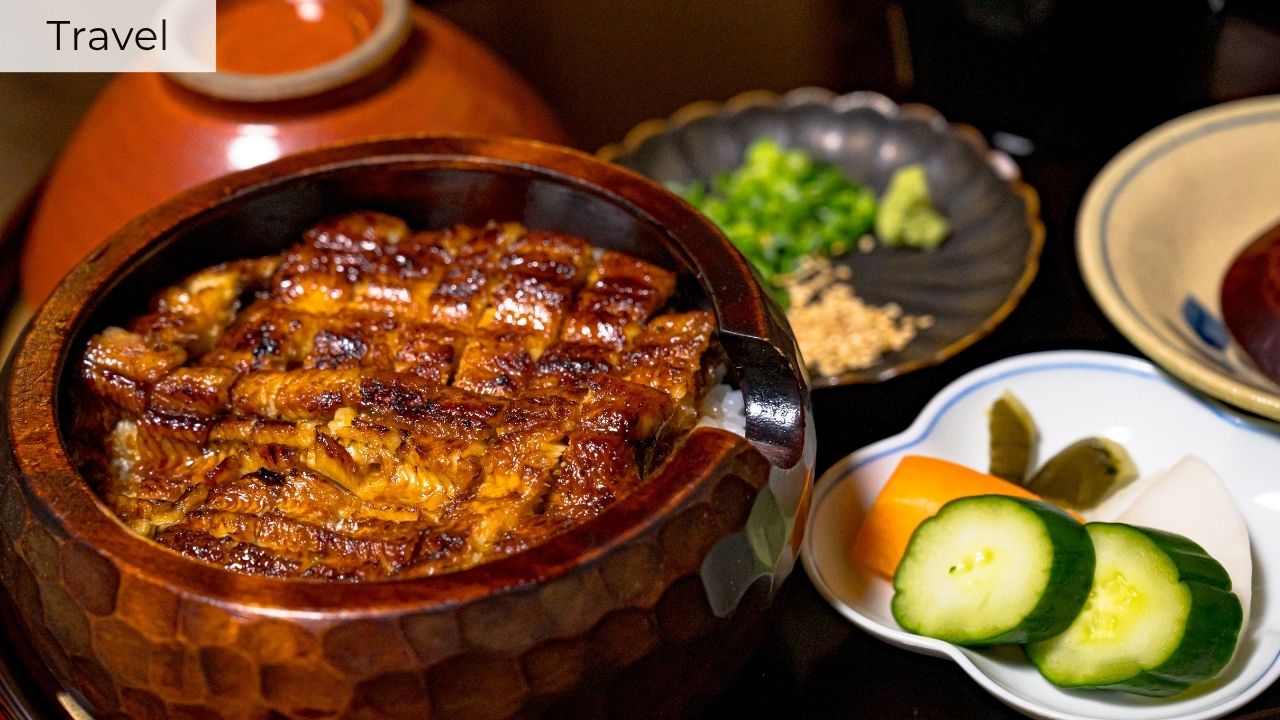
For lunch, if you are open to suggestions, I say Hitsumabushi it is! Where to eat it, how the three-way eating ritual works, and how long the wait can be, and tips for making good use of the waiting time — it’s all in my Hitsumabushi guide.
Please don’t forget to add ‘Nagoyan’ to your souvenir list. This beloved local sweet is perfect to go with your hojicha — I wrote about Nagoyan in this post. There is no option not to bring ‘Nagonyan’ — the cat-paw version of Nagoyan — back home;)

Day 2 — Pick ONE Day Trip
Let’s explore outside of the city! They are all day trips from Nagoya station so pick one based on your interests and what you are in the mood for:)
Love Castles? Go to Inuyama!
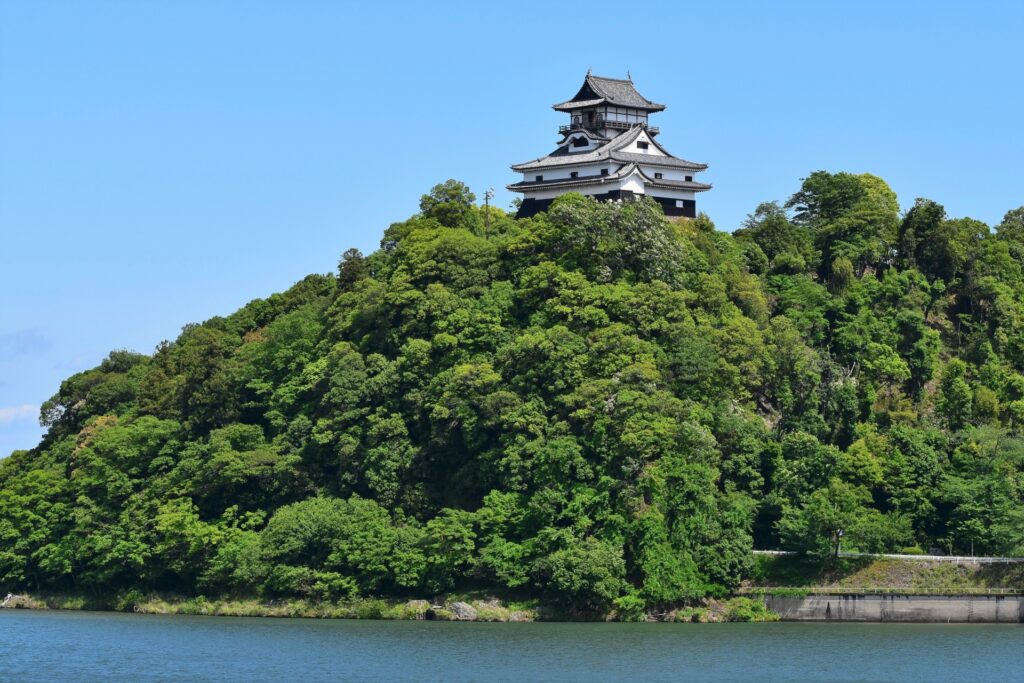
Inuyama Castle is one of only five castles in Japan whose keep is a designated National Treasure, and the top-floor view over the Kiso River makes the climb worth it. The old castle town below is lined with snack stands and little shops, so the walk there is half the fun. It’s about 30 minutes from Meitetsu Nagoya Station. For the full day plan, please see my Inuyama Castle guide.
If you are visiting in summer, Inuyama also spreads its fireworks over ten nights in early August. I wrote about it here (Inuyama Fireworks 2026).
Lucky Cats, Pottery and Strolling? Go to Tokoname!
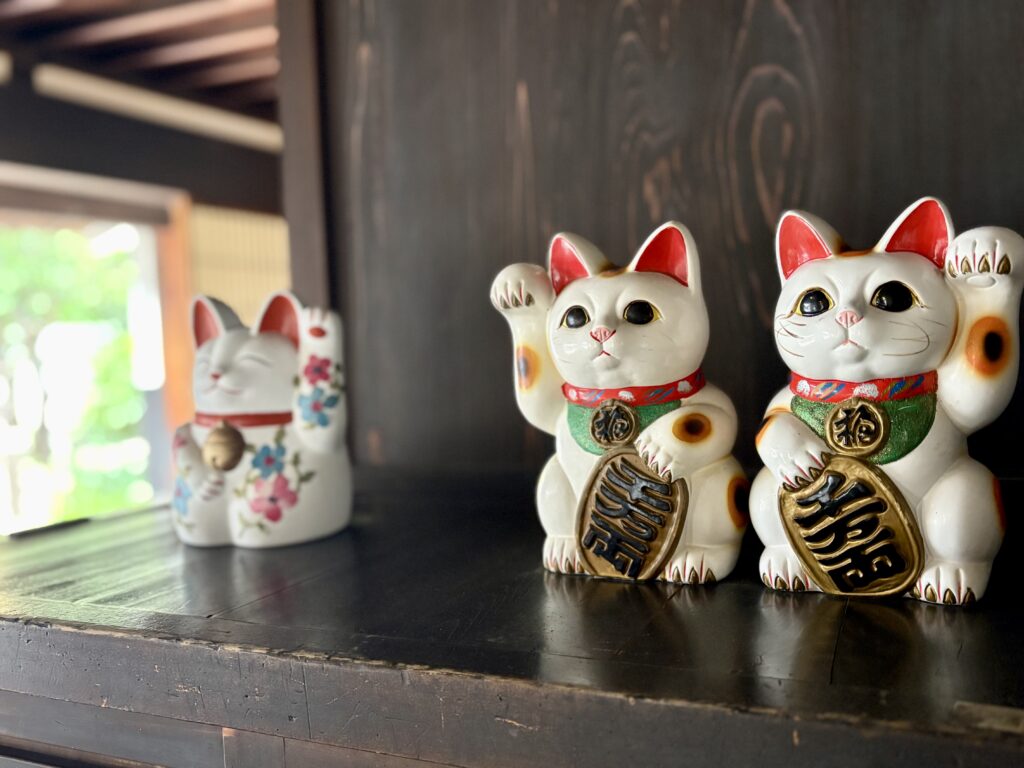
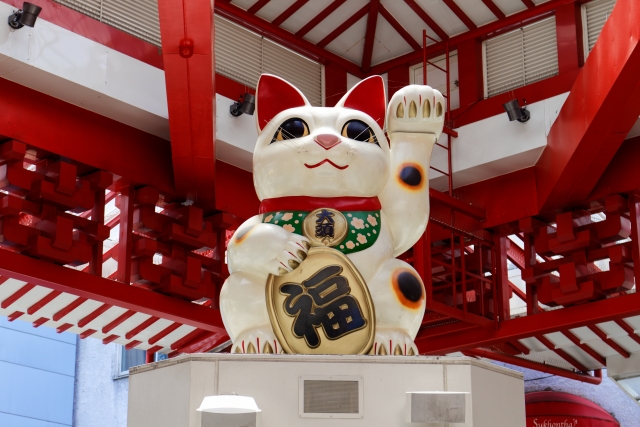
Tokoname is the town behind Japan’s lucky cats — around 80% of the country’s maneki-neko are made here, and a 3.8-meter cat face called Tokonyan watches over the main street. The real charm is the Pottery Footpath, a 1.6 km lane of old kilns, brick chimneys and walls lined with ceramics, with tiny ateliers and cafes hiding along the way. It’s about 30-40 minutes from Meitetsu Nagoya Station. For recommended route and cafes, see my Tokoname guide.
Tokoname is just 5 minutes away from Central Japan International Airport Station, so it can also work as a first-day or last-day stop.
Sea Air and a Shrine on a Tiny Island? Go to Takeshima!
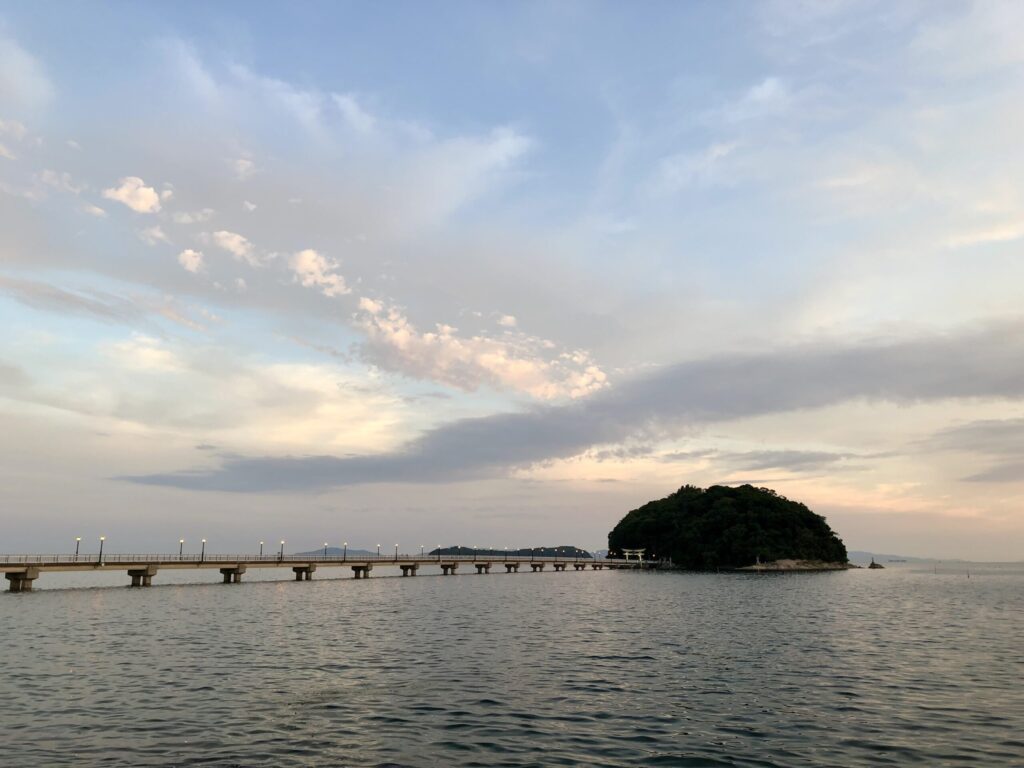
Takeshima is a tiny island in Gamagori joined to the shore by a 387-meter footbridge — the bridge passes under the torii gate. Yaotomi Shrine sits at the island’s center, dedicated to a sea goddess of beauty, good fortune and en-musubi (the binding of fated relationships), and the whole island — a National Natural Monument since 1930, with over 230 plant species — loops in about 30 minutes. It’s about 40 minutes from Nagoya Station + a 15-minute walk.
While you’re at it, please visit Gamagori City Takeshima Aquarium as well. It’s a one-of-a-kind aquarium — you can’t help but love it. I wrote all about it in my Takeshima guide.
Hungry for Octopus? Take a Ferry to Himakajima!
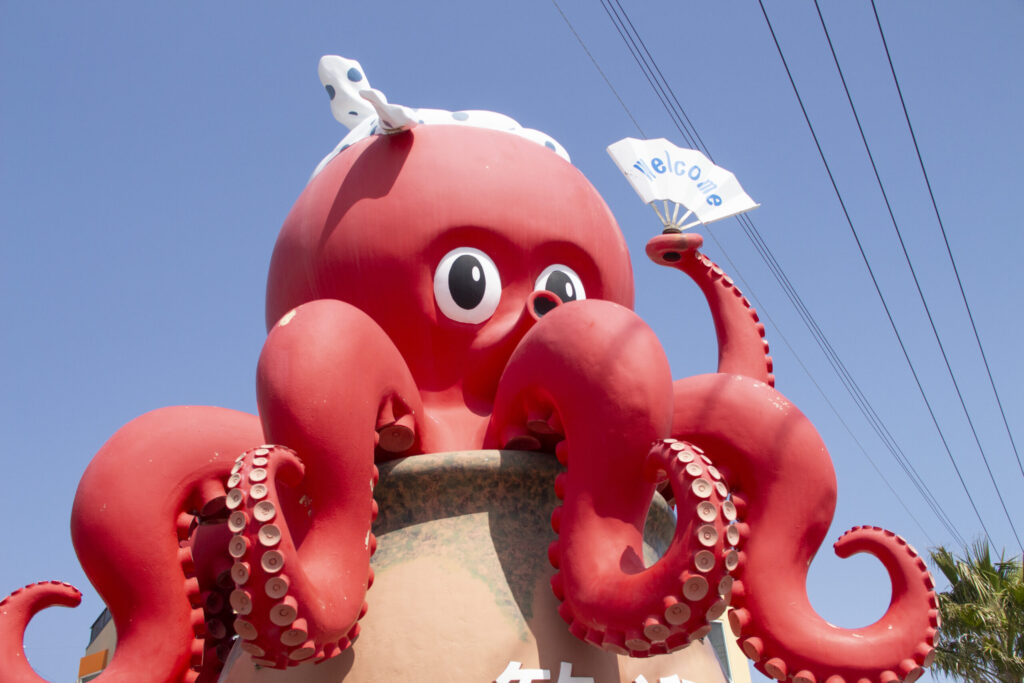
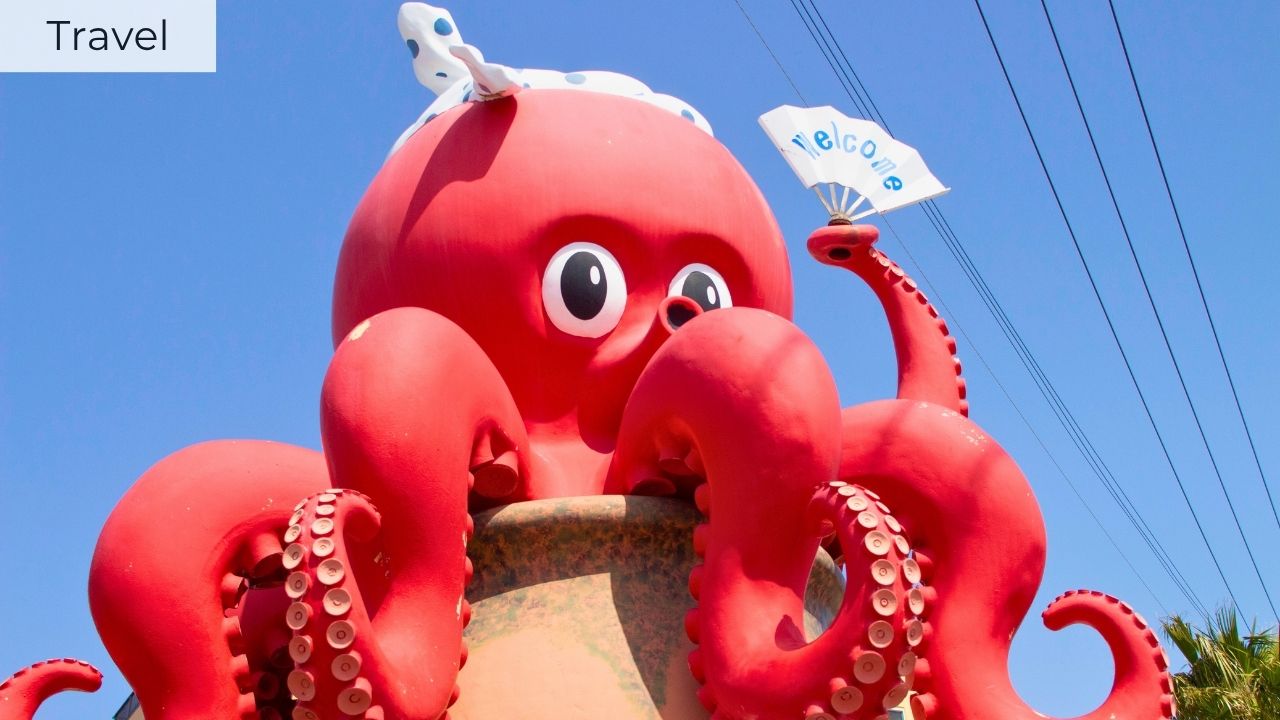
Himakajima is a small working fishing island where octopus is everywhere — an octopus-shaped police box, octopus manhole covers, and best of all, octopus on your plate, served year-round. The whole island is small enough to loop on foot in about two hours at an easy pace, and you can rent a bicycle if you’d rather roll around it. Getting there takes a little longer than the others: about 50 minutes from Meitetsu Nagoya Station + a short walk to the port + a roughly 20-minute high-speed boat. For access details, what to see and eat, please see my Himakajima guide.
Himakajima is also famous for fugu (pufferfish). If fugu is your main goal, come October to March and don’t forget to reserve in advance!
Day 3 — If You Have One More Day
If you have a third day, how about visiting Gujo Hachiman or Shirakawa-go? Both are a bit longer than Day 2 trips.
Shirakawa-go: A World Heritage Village of Thatched Farmhouses
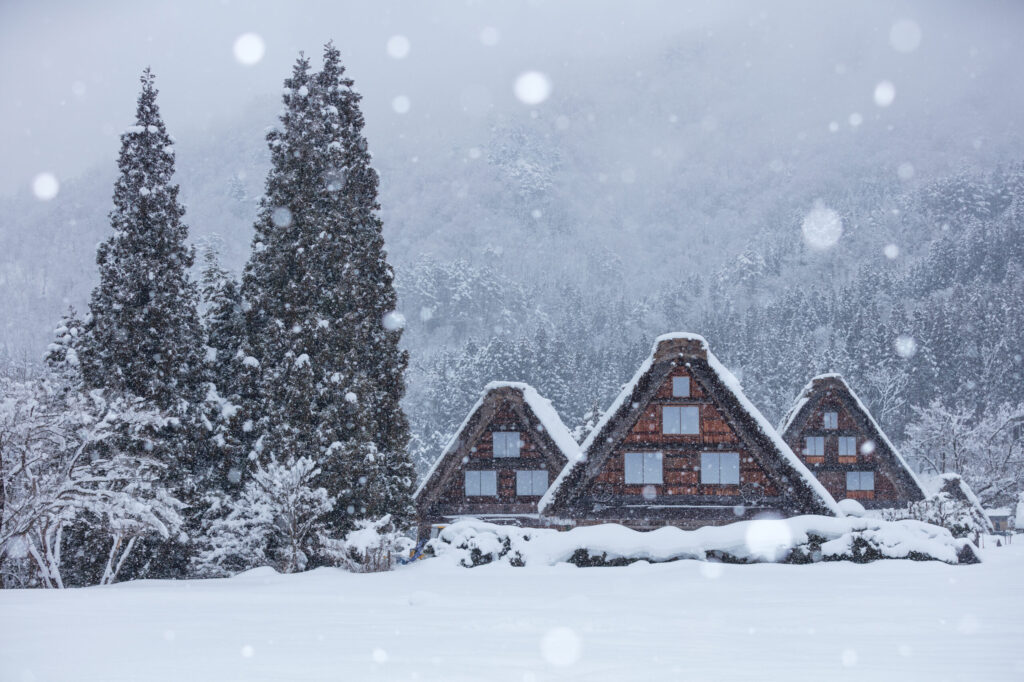
Shirakawa-go is a UNESCO World Heritage village of gassho-zukuri farmhouses — steep thatched A-frame roofs, some standing for over 250 years. Climb to the castle-ruin observatory for the postcard view, then stroll through the village. I’ve been twice, both times as a day trip — 4 to 5 hours in the village is enough to see it properly. Direct bus services run from Meitetsu Bus Center (directly connected to Nagoya Station), about 2h30m–3h — I recommend reserving seats in advance. For routes, the best seasons and more, please see my Shirakawa-go guide.
Gujo Hachiman: The Town That Dances for 30 Summer Nights
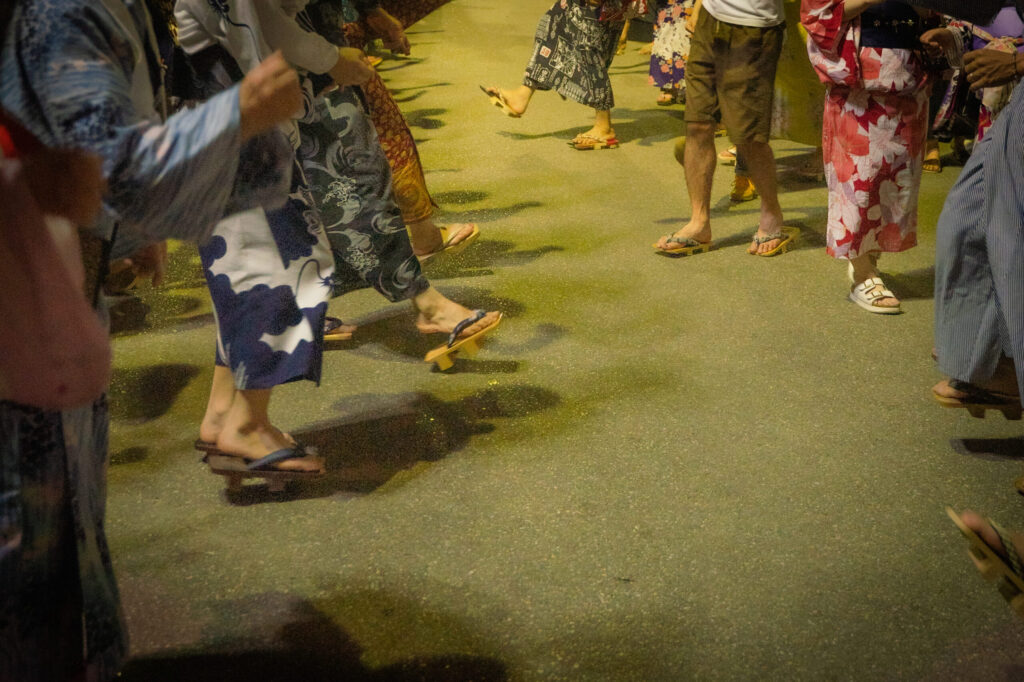
Gujo Hachiman is a small castle town threaded with canals and spring water — and, unexpectedly, the place where most of Japan’s plastic food replicas are made. Its real claim to fame is Gujo Odori, one of Japan’s three great Bon dance festivals: from mid-July to early September the town dances for about 30 nights, and during Obon it keeps going all night until dawn. It’s about 2–2.5h from Nagoya: Nagoya → Gifu (train) + Gifu → Gujo Hachiman (highway bus). For Bon dance schedule, travel tips and more, please see my Gujo Hachiman guide.
Where to Stay
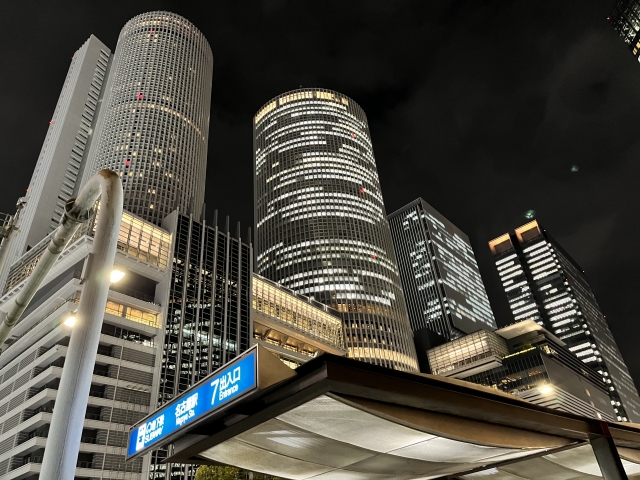
Nagoya Station/Meieki (名駅) Area
It’s a major hub where the Shinkansen, JR, Meitetsu, and subway lines all meet, making it the perfect starting point for sightseeing with easy access to everywhere. Plus, you have plenty of shopping centers and restaurants right around the station, so you’ll never be short of options for shopping and dining. You’ll find lots of hotels around the station, including some directly connected to it.
Nagoya Station has two sides. The east side (Sakura-dori Exit / 桜通口) is modern and polished, and it’s where you’ll find most of the shopping centers and office towers. The west side (Taiko-dori Exit / 太閤通口) has plenty of hotels too, but it can feel a bit rough at night, with bars and clubs on the back streets, plus touts and drunk people. It’s generally safe to walk around, but if you’ll be walking back to your hotel late at night, especially if you’re a woman traveling alone, stick to the well-lit main streets, or consider staying on the east side.
If I were to stay on the west side myself, I’d pick a hotel right next to the station or on the main street by the station, just to be safe as a woman. For example, Meitetsu Inn Nagoyaeki Shinkansenguchi and Comfort Hotel Nagoya Shinkansenguchi are both on the main street, about a 5–7 minute walk from the Taiko-dori Exit.
Sakae Area
As Nagoya’s largest entertainment district, it’s packed with department stores, trendy boutiques, and endless dining options. It’s the perfect spot for anyone looking to enjoy shopping, stylish cafes, and a vibrant nightlife.
If you stay in Sakae, I’d recommend two areas. The area around Hisaya-odori (久屋大通), a wide boulevard with a long park down the middle, is full of cafés and offices and has a polished, upscale feel. Sakae 3-chome (栄3丁目), toward Yabacho Station, is always bustling with people and lined with lively street-front shops. You can find hotels around these two areas on Booking.com. On the other hand, I’d avoid the back streets of Nishiki 3-chome (錦三丁目, known locally as “Kinsan”), Nagoya’s well-known nightlife district, and Sakae 4-chome (栄4丁目, known locally as Joshidai-koji / 女子大小路), especially late at night. You’ll find lots of touts, shady bars, places that overcharge customers, and very drunk people there. Again, it’s not dangerous in the usual sense, but it’s best to stay cautious and not wander around there.
Kanayama Area
It’s a convenient transit hub where JR, Meitetsu, and subway lines all connect. It’s just a 5-minute JR ride from Nagoya Station, 7 minutes by subway to Sakae, and 25 minutes by μSKY Limited Express train to Central Japan International Airport. With plenty of shopping centers and restaurants right around the station, it’s recommended for anyone looking to save a bit on accommodation without compromising on transit convenience. Since the whole point of staying in Kanayama is the easy access, I’d pick a hotel right around Kanayama Station.
Practical Tips — eSIM & Money
If your phone supports eSIM, set it up before you fly — you’ll have data the moment you land, it can be your lifesaver;) When I travel overseas, I always try to get it beforehand so I have less things to worry about. Saily is one of the services that covers Japan.
Credit cards and IC cards cover most places in the city these days, but it’s a good idea to keep some cash on you — temple-market stalls, festival food stands, some small local shops and World Heritage Sites like Shirakawa-go tend to be cash-only. In many cases, you can withdraw cash at convenience store ATMs using debit or credit cards issued overseas. Although the accepted brands vary depending on the ATM and card issuer, they generally include Visa and Mastercard.
I created this itinerary thinking how I’d show my friends around if they came to visit Nagoya. I hope something here sparks ideas for your trip:)
So, let me say this in Nagoya dialect,
まっとるね (mattoru ne)! = Can’t wait to see you here!

Comments