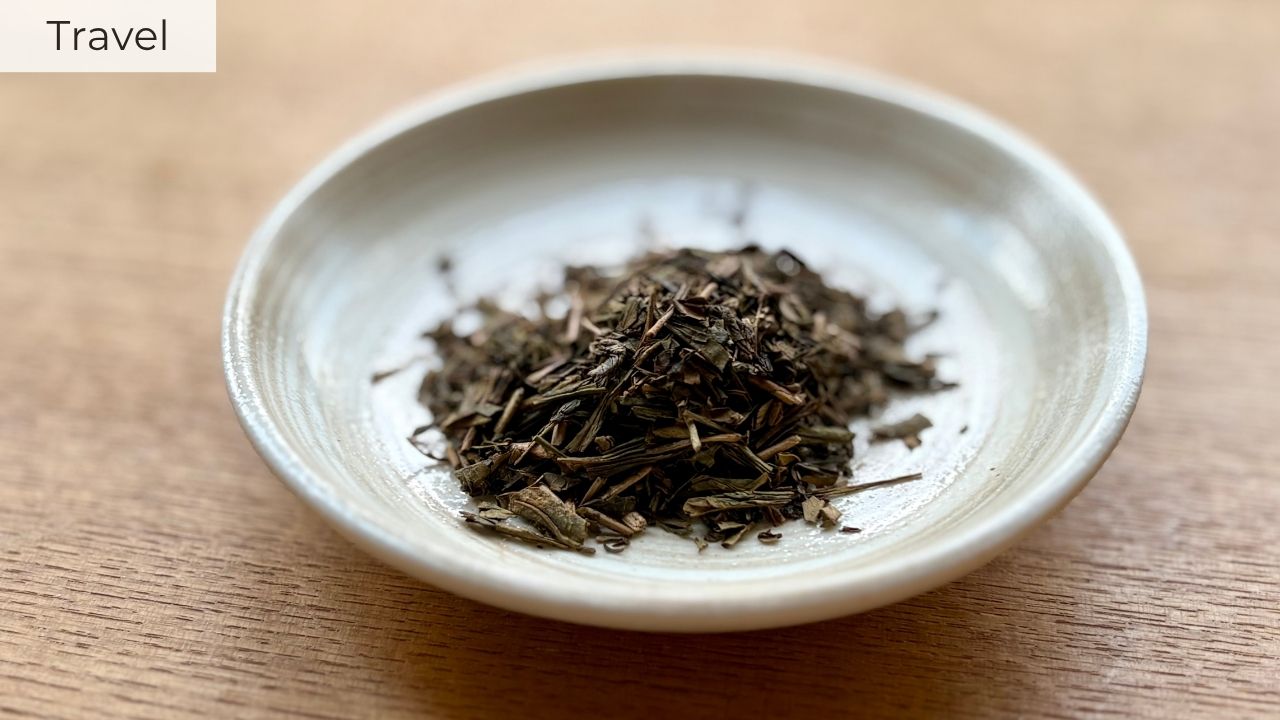
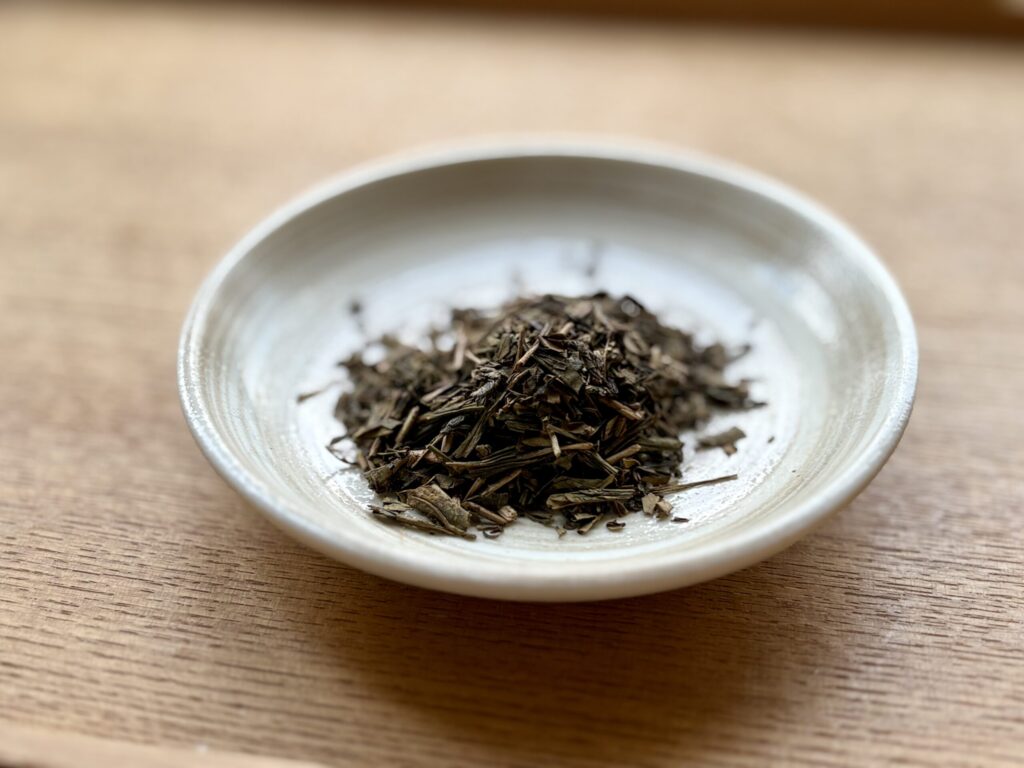
“Scents are strongly linked to memories” ― to me, scent of hojicha is a perfect example of this. I’d love to share with you Myokoen (妙香園), a beloved tea shop known as ‘the scent of Nagoya,’ and their famous hojicha. Hojicha might not be as popular as matcha or green tea yet outside of Japan, but it is without a doubt an integral part of Japanese tea culture. Whether you are new to hojicha or already a fan:), I think you will enjoy their hojicha and an aromatic experience.
I know we all love Starbucks and yes, their hojicha latte is lovely, but since you are in Japan and while you are in Nagoya, please come and taste the hojicha crafted by tea masters from a 100-year-old traditional tea shop! And, of course, don’t forget to bring them back home;)
Myokoen (妙香園)
Myokoen is a long-established Japanese tea specialty shop founded in 1916 (Taisho 5) in Nagoya. Originally opened as “Tanaka Chaten” (田中茶店) by Tanaka Hidekichi, it has grown into one of Nagoya’s most iconic tea houses, particularly celebrated for its signature hojicha (ほうじ茶, roasted green tea).
Myokoen’s philosophy centres on Gogumi (合組). Gogumi is the art of blending different tea leaves to create a well-balanced flavor. Myokoen’s hojicha is not a single-origin product. The company’s tea masters (茶匠, chasho) select and blend multiple varieties of tea leaves from producers across Japan to suit the time, then roast with a precisely calibrated heat level. Roasting brings out the maximum natural sweetness and umami of the tea.
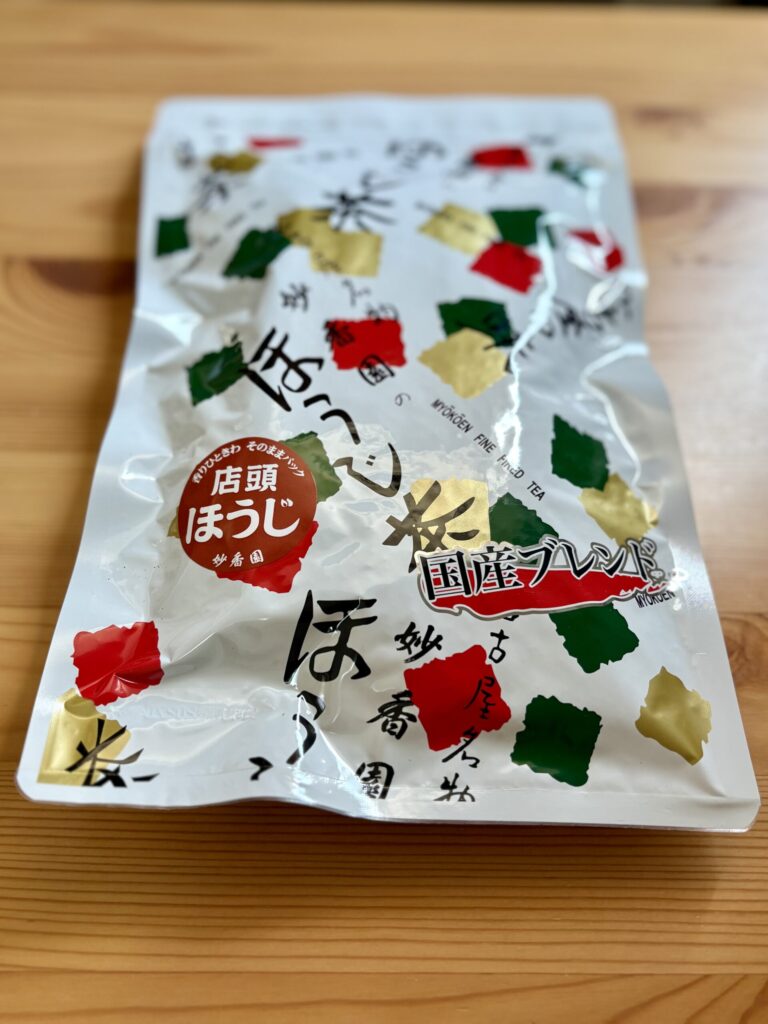
The scent of Nagoya
Myokoen’s hojicha is often described with this phrase. Walk past the Sakaechika (Sakae station) or Sunroad stores (Nagoya station) and the warm, roasted fragrance draws you in before you even see the shop. At few Myokoen locations (the Sakaechika and Sunroad stores), tea leaves are roasted on-site using a hojicha roasting drum (ほうじ機). This continuous fresh roasting fills the air with a warm fragrance. And besides that, you can buy freshly roasted hojicha at those locations!
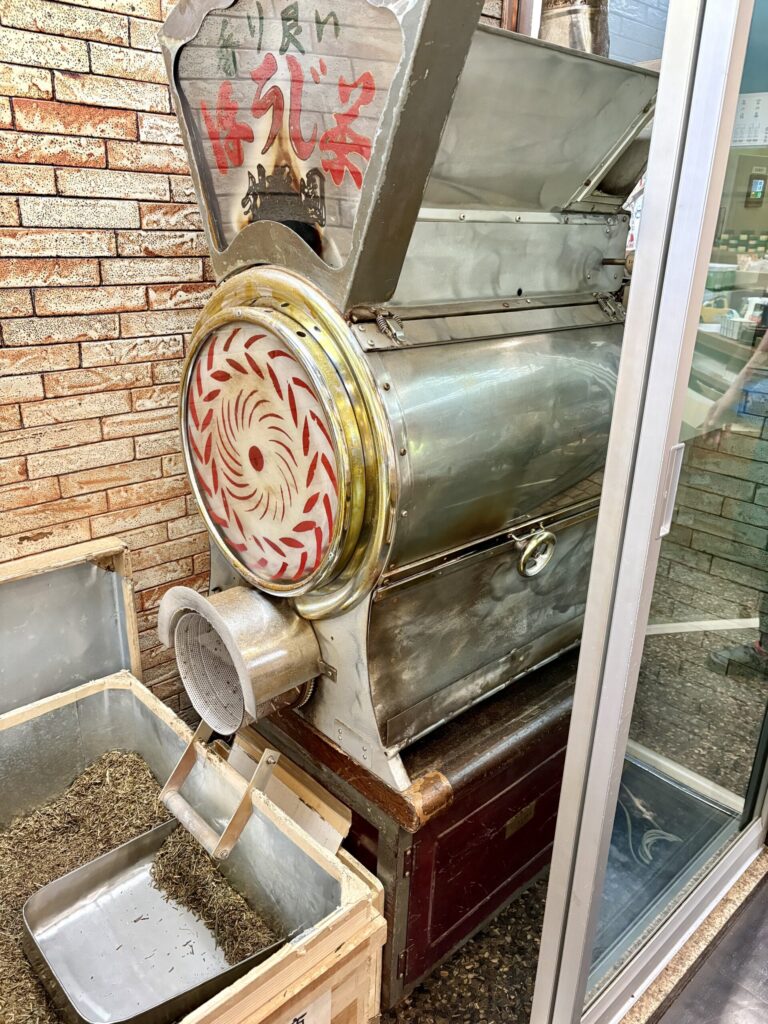
This is so true to me ― the underground shopping mall at Nagoya Station is tied to the aroma of Myokoen hojicha. Whenever I get close to the store, it smells absolutely amazing! I really want everyone to experience it at least once when you are in Nagoya:)
In the past, I’ve actually used this beautiful scent to give directions, and my friend told me that it was easy to follow. I have quite a bad sense of direction (maps are not my cup of tea ;p) and I don’t call myself good at giving directions, but I explained something like, “When you go down the stairs at xxx, you’ll catch a really nice scent of tea. Just follow that scent, and you’ll find a tea shop. Then, turn right onto the street in front of it…” So, that means even if you are not good at reading maps like me, you won’t miss Myokoen;)
Store Information
•Sakaechika Store (サカエチカ店)
Location: Sakaechika underground shopping mall, Sakae, Nagoya
Features an in-store hojicha roasting machine (ほうじ機)
Customers who visit and make a purchase this store are offered a cup of “Myoko” (妙香) ― gold-leaf matcha ― as a complimentary hospitality gesture
•Sunroad Store (サンロード店)
Location: Sunroad underground shopping mall, near Nagoya Station
Also features a hojicha roasting machine
Convenient for visitors arriving at or departing from Nagoya Station
•MYOKOEN TEA STORE
Location: Sakaechika (separate from the main Sakaechika store)
A modern takeout-format branch offering hojicha lattes, matcha lattes, and other contemporary tea drinks
Hojicha (ほうじ茶) vs Matcha (抹茶) vs Green Tea (緑茶/煎茶)
Do you know the differences? All three come from the same plant: Camellia sinensis (茶の木). What makes them different is how the leaves are processed and how you drink them. Here is a quick guide:)
Hojicha (ほうじ茶) ― Roasted Green Tea
Processing: Green tea leaves (bancha/sencha) roasted at high heat
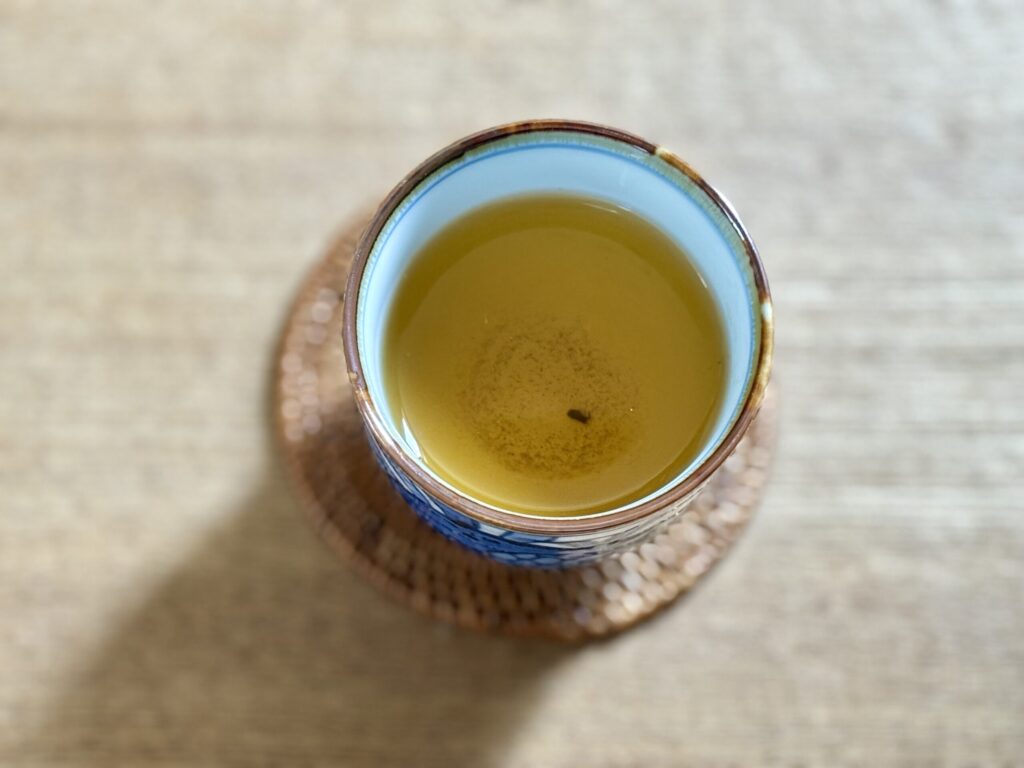
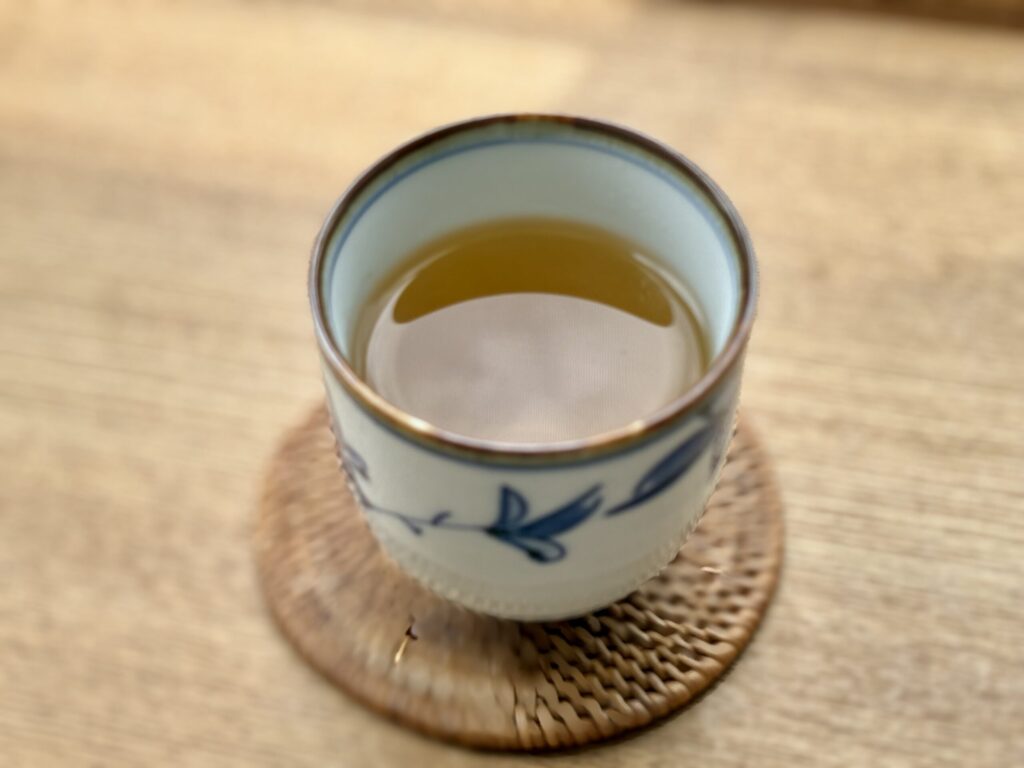
Colour: Amber
Taste: Low in bitterness, mild taste, subtle natural sweetness
Aroma: Warm, toasty, nutty
Caffeine: Low
Recommended for evening drinking, children, and those sensitive to caffeine
Perfect for anyone new to Japanese tea and people who find green tea too bitter
Matcha (抹茶)
Processing: Young tea plants are shade-grown, then stone-milled into a fine powder. You drink the whole leaf dissolved in water ― not an infusion
Colour: Bright green
Taste: Rich umami, pleasant bitter edge, creamy
Aroma: Vegetal, grassy
Caffeine: High
Best for morning focus, tea ceremony, with desserts
Sencha (煎茶) ― Steamed Green Tea
Processing: Fresh tea leaves are steamed to prevent oxidation, then rolled and dried
Colour: Clear yellow-green
Taste: Fresh, vegetal, grassy
Aroma: Clean, green, slightly oceanic
Caffeine: Moderate
Best for mid-morning clarity, after meal, when you need to focus
The moment you brew this special hojicha back home and breathe in its aroma, your happy memories of Japan will instantly come flooding back. Or, you might just find yourself back in Japan;)

Comments